Generalized Anxiety Disorder (GAD) is one of the most common anxiety disorders, characterized by persistent, excessive, and difficult-to-control worry about everyday situations. Unlike normal stress that comes and goes, GAD causes ongoing anxiety that can interfere with work, education, relationships, and overall quality of life.
People living with Generalized Anxiety Disorder often worry about multiple aspects of daily life, including health, finances, work, family, or routine responsibilities, even when there is little or no reason for concern. These persistent worries are frequently accompanied by physical symptoms such as muscle tension, fatigue, headaches, poor concentration, and sleep disturbances.
Fortunately, Generalized Anxiety Disorder is highly treatable. Early diagnosis, evidence-based psychological therapies, healthy lifestyle changes, stress management, and appropriate medications when necessary can significantly improve symptoms and help individuals regain confidence and emotional well-being.
Quick Summary
- Generalized Anxiety Disorder (GAD) causes excessive and persistent worry that lasts for six months or longer.
- Symptoms commonly include restlessness, fatigue, muscle tension, irritability, poor concentration, and sleep problems.
- GAD differs from normal everyday worry because the anxiety is difficult to control and interferes with daily functioning.
- Cognitive Behavioral Therapy (CBT) is considered one of the most effective first-line treatments.
- Some individuals may benefit from antidepressant medications prescribed by qualified healthcare professionals.
- Healthy lifestyle habits, stress management, and early treatment improve long-term recovery and quality of life.
Table of Contents
- What Is Generalized Anxiety Disorder?
- Normal Worry vs Generalized Anxiety Disorder
- Symptoms of Generalized Anxiety Disorder
- Causes of Generalized Anxiety Disorder
- Risk Factors
- How Generalized Anxiety Disorder Is Diagnosed
- Treatment Options
- Lifestyle Changes and Self-Help Strategies
- Possible Complications
- Can Generalized Anxiety Disorder Be Prevented?
- When Should You See a Doctor?
- Recovery and Long-Term Outlook
- Conclusion
Key Takeaways
- Generalized Anxiety Disorder (GAD) is a chronic anxiety disorder characterized by excessive and persistent worry.
- Symptoms affect both emotional and physical health and often interfere with everyday activities.
- The condition is diagnosed through medical evaluation after excluding other possible medical causes.
- Cognitive Behavioral Therapy (CBT) remains one of the most effective evidence-based treatments.
- Medication, healthy lifestyle habits, stress reduction, and ongoing support can significantly improve recovery.
- Early diagnosis and treatment reduce complications and improve long-term quality of life.
Medical Review
This article is intended for educational purposes and follows guidance from internationally recognized healthcare organizations, including the World Health Organization (WHO), National Institute of Mental Health (NIMH), National Health Service (NHS), Mayo Clinic, MedlinePlus, and the American Psychiatric Association. It should not replace professional medical advice, diagnosis, or treatment.
What Is Generalized Anxiety Disorder?
Generalized Anxiety Disorder (GAD) is a long-term anxiety disorder characterized by excessive, persistent, and difficult-to-control worry about multiple areas of daily life. Unlike temporary stress that occurs during challenging situations, people with GAD often experience ongoing anxiety even when there is little or no obvious reason to worry.
The condition affects both mental and physical health. Individuals may constantly worry about work, finances, family, education, health, or routine responsibilities, making it difficult to relax or enjoy everyday activities. Over time, persistent anxiety may interfere with relationships, job performance, academic success, and overall quality of life.
Generalized Anxiety Disorder can develop gradually during childhood, adolescence, or adulthood. With early diagnosis and appropriate treatment, most people experience significant improvement and can successfully manage their symptoms.
Normal Worry vs Generalized Anxiety Disorder
Everyone experiences worry from time to time, especially during stressful situations. However, Generalized Anxiety Disorder involves excessive and persistent anxiety that goes far beyond normal everyday concerns.
| Normal Worry | Generalized Anxiety Disorder (GAD) |
|---|---|
| Usually related to a specific situation | Occurs across many different areas of life |
| Temporary and manageable | Persistent and difficult to control |
| Rarely interferes with daily life | Frequently affects work, relationships, education, and daily activities |
| Improves after the stressful event ends | Often continues even without an obvious trigger |
| Minimal physical symptoms | Commonly causes muscle tension, fatigue, headaches, and sleep problems |
| Does not usually require medical treatment | May require professional evaluation and treatment |
Important Information
Feeling anxious occasionally is a normal part of life. However, excessive worry lasting for six months or longer that interferes with daily functioning may indicate Generalized Anxiety Disorder and should be evaluated by a qualified healthcare professional.
Symptoms of Generalized Anxiety Disorder
Generalized Anxiety Disorder affects both emotional well-being and physical health. Symptoms often develop gradually and may vary from one person to another. Some people experience mainly psychological symptoms, while others notice significant physical effects caused by chronic anxiety.
Common Symptoms of Generalized Anxiety Disorder
| Physical Symptoms | Psychological Symptoms |
|---|---|
| Muscle tension | Excessive and persistent worrying |
| Fatigue | Feeling restless or on edge |
| Headaches | Difficulty concentrating |
| Sleep disturbances | Irritability |
| Rapid heartbeat | Feeling that something bad may happen |
| Digestive discomfort | Difficulty controlling anxious thoughts |
| Sweating | Constant feeling of nervousness |
| Trembling or shaking | Feeling overwhelmed by everyday situations |
⚠️ Important Warning
Persistent anxiety can sometimes resemble symptoms of other medical conditions such as thyroid disease, heart disorders, or certain neurological conditions. Anyone experiencing new, severe, or unexplained symptoms should seek prompt medical evaluation rather than assuming anxiety is the only cause.
What Causes Generalized Anxiety Disorder?
Researchers believe Generalized Anxiety Disorder develops through a combination of genetic, biological, psychological, and environmental factors. In most cases, there is no single identifiable cause. Instead, several risk factors interact over time, increasing a person's likelihood of developing persistent anxiety.
Changes in brain chemistry, prolonged stress, traumatic experiences, family history, and certain personality traits may all contribute to the development of Generalized Anxiety Disorder.
- Family history of anxiety disorders or other mental health conditions.
- Differences in brain chemistry involving neurotransmitters that regulate mood and stress.
- Long-term emotional stress related to work, relationships, finances, or caregiving responsibilities.
- Traumatic experiences during childhood or adulthood.
- Certain personality traits such as perfectionism or heightened sensitivity to stress.
- Some chronic medical conditions or long-term illnesses.
Did You Know?
Generalized Anxiety Disorder is not caused by personal weakness or a lack of willpower. It is a recognized medical condition involving complex interactions between genetics, brain function, life experiences, and environmental influences.
Risk Factors
Although anyone can develop Generalized Anxiety Disorder, certain factors increase the likelihood of experiencing chronic anxiety. Having one or more risk factors does not necessarily mean someone will develop GAD, but awareness may encourage earlier diagnosis and treatment.
Individuals living with panic disorder or other anxiety disorders may have an increased risk of developing persistent generalized anxiety.
| Risk Factor | How It May Increase Risk |
|---|---|
| Family history | Inherited tendency toward anxiety disorders |
| Chronic stress | Long-term stress may trigger persistent anxiety |
| Childhood trauma | May affect emotional regulation later in life |
| Chronic medical conditions | Living with long-term illness may increase anxiety |
| Other mental health disorders | Depression and panic disorder commonly occur alongside GAD. |
| Personality traits | Perfectionism, excessive caution, or heightened sensitivity to stress |
| Substance misuse | Alcohol or recreational drugs may worsen anxiety symptoms |
Expert Tip
Keeping a daily record of your worries, stress levels, sleep quality, and possible triggers can help healthcare professionals identify patterns and create a more personalized treatment plan.
How Is Generalized Anxiety Disorder Diagnosed?
There is no single laboratory test that confirms Generalized Anxiety Disorder. Diagnosis begins with a detailed medical history, physical examination, and discussion of symptoms. Healthcare professionals also rule out medical conditions such as thyroid disorders, heart disease, medication side effects, or substance use that may produce similar symptoms.
Mental health professionals may use standardized diagnostic criteria to determine whether symptoms meet the clinical definition of Generalized Anxiety Disorder and assess how anxiety affects daily functioning.
| Diagnostic Step | Purpose |
|---|---|
| Medical History | Review symptoms, medications, family history, and lifestyle |
| Physical Examination | Identify or rule out underlying medical conditions |
| Mental Health Assessment | Evaluate emotional symptoms and daily functioning |
| Laboratory Tests (if needed) | Exclude thyroid disease, vitamin deficiencies, or other medical causes |
| Clinical Diagnostic Criteria | Confirm whether symptoms meet accepted diagnostic standards |
Early Diagnosis Matters
Recognizing symptoms early allows treatment to begin sooner, reducing the risk of long-term emotional, physical, and social complications while improving quality of life.
Treatment Options
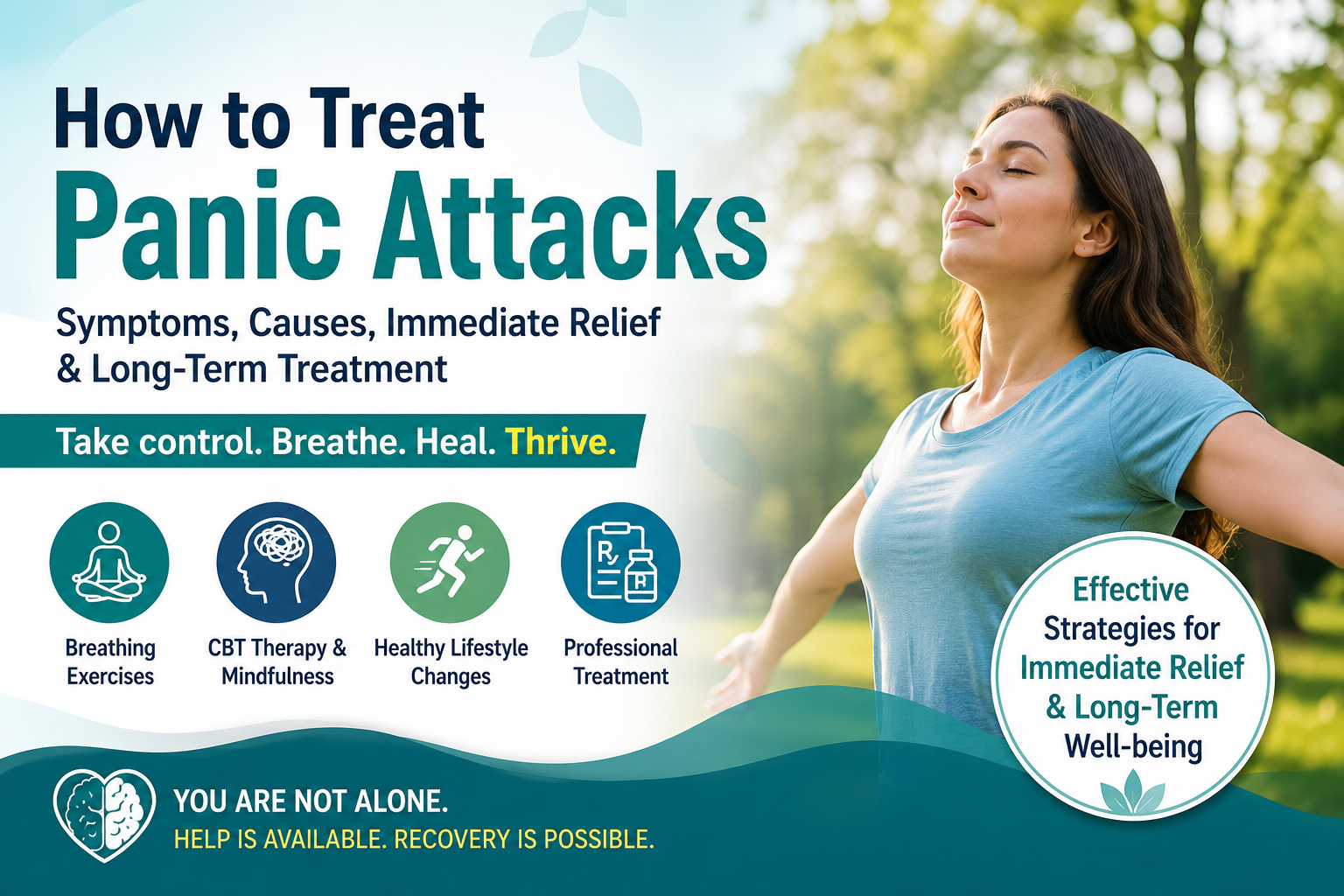
Generalized Anxiety Disorder is highly treatable. Most individuals experience significant improvement through a combination of evidence-based psychotherapy, healthy lifestyle modifications, stress management techniques, and medication when recommended by a qualified healthcare professional. Treatment plans are individualized based on symptom severity, medical history, and personal needs. Individuals who experience sudden episodes of overwhelming fear should also learn how to treat panic attacks, since panic attacks and Generalized Anxiety Disorder can sometimes occur together.
Early treatment not only reduces excessive anxiety but also helps improve sleep, concentration, emotional well-being, work performance, relationships, and overall quality of life.
Evidence-Based Treatments
- Cognitive Behavioral Therapy (CBT)
- Acceptance and Commitment Therapy (ACT) when appropriate
- Selective Serotonin Reuptake Inhibitors (SSRIs) prescribed by healthcare professionals
- Serotonin-Norepinephrine Reuptake Inhibitors (SNRIs) when clinically appropriate
- Stress management and relaxation techniques
- Mindfulness-based therapies
- Regular physical activity and healthy sleep habits
- Ongoing follow-up with healthcare professionals
| Treatment Option | Primary Benefit |
|---|---|
| Cognitive Behavioral Therapy (CBT) | Helps identify and change unhelpful thought patterns while teaching practical coping skills. |
| Medication | May reduce anxiety symptoms and improve emotional stability. |
| Relaxation Techniques | Help reduce physical tension and improve stress management. |
| Mindfulness & Meditation | Improve emotional awareness and reduce excessive worrying. |
| Regular Exercise | Supports both physical and mental well-being. |
| Professional Follow-up | Allows treatment plans to be monitored and adjusted when necessary. |
Lifestyle Changes and Self-Help Strategies
Professional treatment provides the strongest foundation for recovery, but healthy daily habits can also reduce anxiety symptoms, improve resilience, and support long-term emotional well-being. Small, consistent lifestyle improvements often produce meaningful long-term benefits.
- Maintain a regular sleep schedule.
- Exercise most days of the week.
- Practice deep breathing exercises during stressful situations.
- Limit excessive caffeine, nicotine, and alcohol consumption.
- Follow a balanced, nutritious diet.
- Practice mindfulness meditation or progressive muscle relaxation.
- Stay connected with supportive family members and friends.
- Follow your treatment plan and attend scheduled therapy sessions.
Healthy Habit Tip
Building healthy routines gradually is often more effective than making many large lifestyle changes at once. Regular exercise, consistent sleep, healthy eating, and stress-management techniques can complement professional treatment and improve long-term recovery.
Possible Complications
Without appropriate treatment, Generalized Anxiety Disorder may gradually affect emotional well-being, physical health, relationships, education, and work performance. Persistent anxiety can also increase the likelihood of developing additional mental or physical health concerns, including depression, making early diagnosis and treatment especially important.
| Possible Complication | Potential Impact |
|---|---|
| Depression | Persistent anxiety may contribute to depressive symptoms. |
| Sleep Disorders | Difficulty falling asleep or maintaining restful sleep. |
| Reduced Productivity | Difficulty concentrating at work or school. |
| Relationship Problems | Ongoing anxiety may affect communication and emotional well-being. |
| Chronic Stress | May contribute to headaches, digestive symptoms, and muscle pain. |
| Reduced Quality of Life | Persistent worry may interfere with normal daily activities. |
⚠️ Important Reminder
Avoid stopping prescribed anxiety medication without consulting your healthcare professional. Suddenly discontinuing certain medications may lead to withdrawal symptoms or the return of anxiety symptoms.
Can Generalized Anxiety Disorder Be Prevented?
Although Generalized Anxiety Disorder cannot always be prevented, healthy lifestyle habits, stress management, and early recognition of symptoms can reduce the severity of anxiety and lower the risk of long-term complications. Seeking professional support early often leads to better treatment outcomes.
| Helpful Prevention Strategy | Potential Benefit |
|---|---|
| Manage stress effectively | Helps reduce long-term anxiety levels |
| Maintain healthy sleep habits | Supports emotional regulation and resilience |
| Exercise regularly | Improves both physical and mental well-being |
| Practice relaxation techniques | Reduces muscle tension and excessive worrying |
| Limit excessive caffeine and alcohol | May reduce anxiety symptoms in susceptible individuals |
| Seek treatment early | Improves recovery and reduces complications |
When Should You See a Doctor?
Seek Medical Evaluation If:
- Persistent anxiety lasts for six months or longer.
- Excessive worry interferes with work, education, relationships, or daily life.
- You experience frequent sleep disturbances, fatigue, or difficulty concentrating.
- You begin avoiding normal activities because of ongoing anxiety.
- You develop symptoms of depression or recurrent panic attacks.
- You are unsure whether your symptoms may be caused by another medical condition.
Recovery and Long-Term Outlook
The long-term outlook for Generalized Anxiety Disorder is generally very positive when treatment begins early. Many individuals experience substantial improvement through Cognitive Behavioral Therapy (CBT), healthy lifestyle modifications, stress management techniques, and medication when clinically appropriate.
Recovery is usually gradual rather than immediate. Some people notice improvement within several weeks, while others require ongoing treatment for several months. Continuing therapy, practicing healthy coping strategies, and maintaining regular follow-up appointments significantly reduce the likelihood of relapse.
Recovery Outlook
Most people with Generalized Anxiety Disorder can successfully manage their symptoms, improve emotional well-being, and enjoy a healthy, productive life with appropriate treatment, healthy habits, and ongoing support.
Conclusion
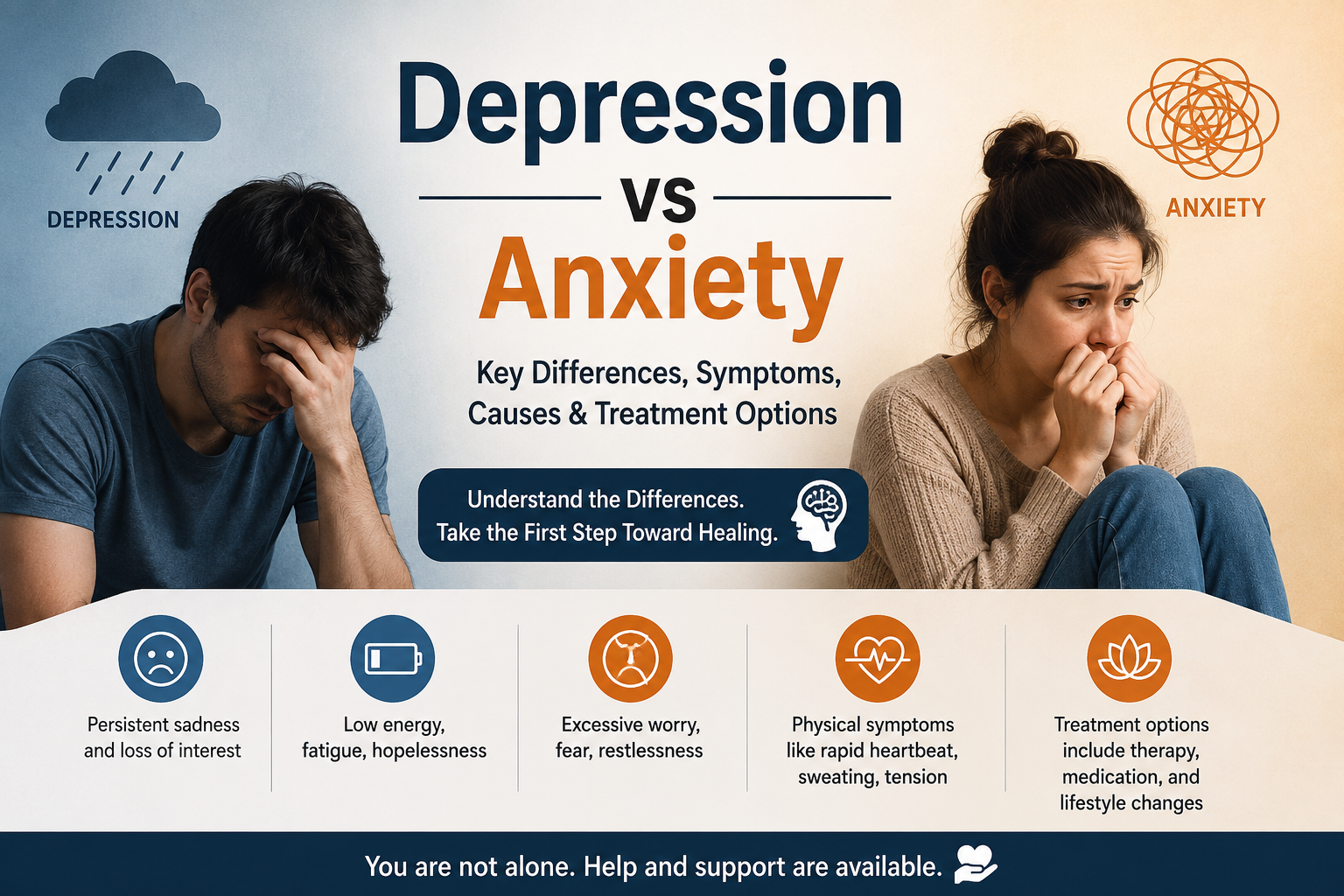
Generalized Anxiety Disorder is one of the most common anxiety disorders, but it is also highly treatable. Although persistent worry can feel overwhelming, evidence-based treatment, healthy lifestyle changes, and professional support allow most individuals to achieve meaningful long-term improvement. If you are uncertain whether your symptoms are more closely related to depression or anxiety, you may also find our guide on Depression vs Anxiety helpful.
If excessive anxiety continues affecting your daily life, seeking professional medical advice is the most important first step toward recovery. Early diagnosis, personalized treatment, and consistent self-care can help restore confidence, improve overall well-being, and reduce the impact of anxiety on everyday life. You may also find it helpful to explore available depression treatment options, especially when anxiety and depression occur together.
Sources & References
- World Health Organization (WHO) – Mental Disorders
- National Institute of Mental Health (NIMH) – Generalized Anxiety Disorder
- National Institute of Mental Health (NIMH) – Anxiety Disorders
- NHS – Generalised Anxiety Disorder
- Mayo Clinic – Generalized Anxiety Disorder
- MedlinePlus – Anxiety
- American Psychiatric Association – Anxiety Disorders
Related Health Resources
Explore more trusted health resources related to this topic. These articles can help you better understand symptoms, causes, treatment options and prevention strategies.