Key Takeaways
- A panic attack is a sudden episode of intense fear that can cause both emotional and physical symptoms.
- Although panic attacks can feel life-threatening, they are not usually medically dangerous when properly evaluated.
- Immediate coping techniques such as controlled breathing, grounding exercises, and relaxation strategies may help reduce symptoms.
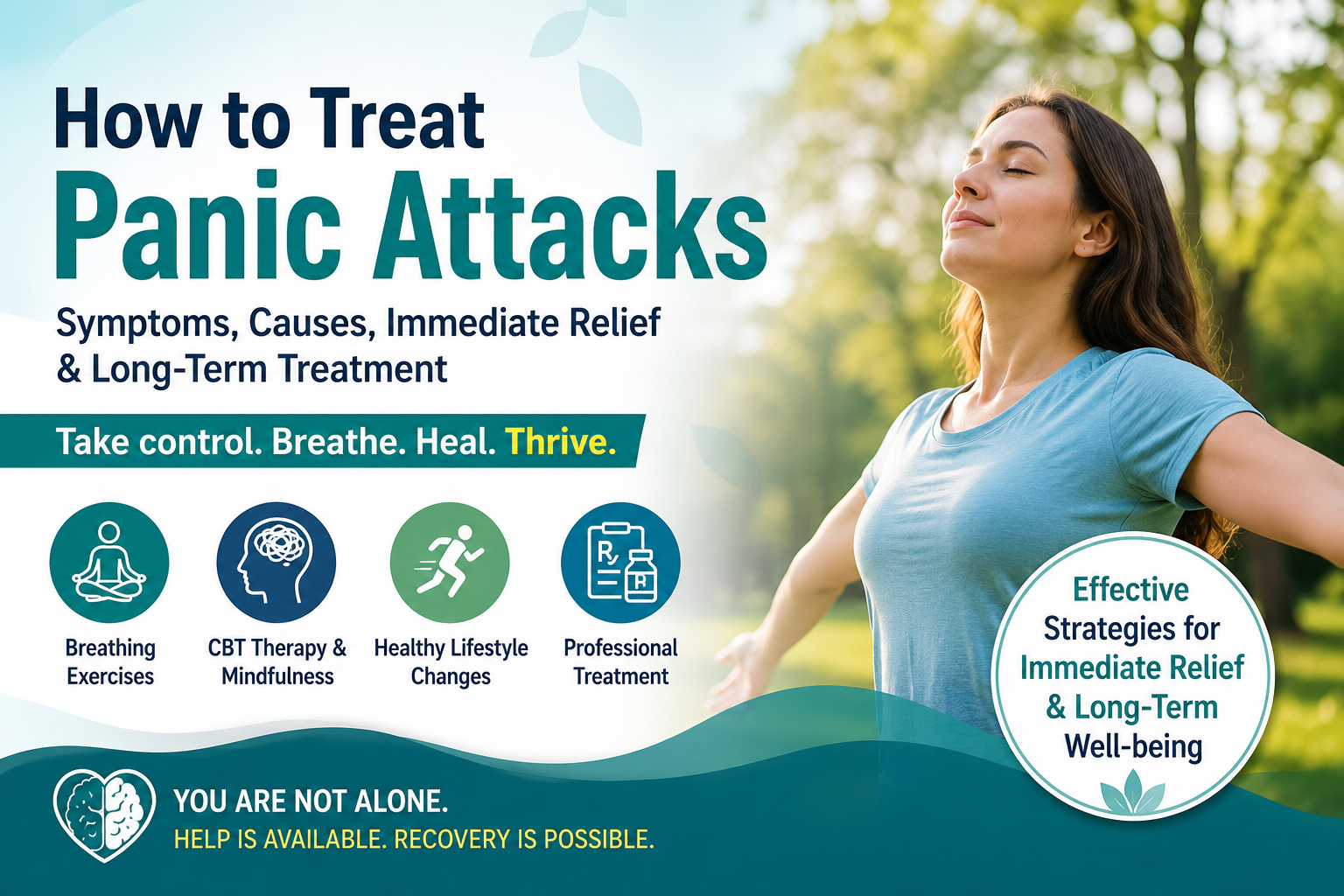
- Long-term treatment often includes Cognitive Behavioral Therapy (CBT), healthy lifestyle modifications, and medication when recommended by a healthcare professional.
- Early diagnosis and appropriate treatment can significantly reduce the frequency and severity of panic attacks.
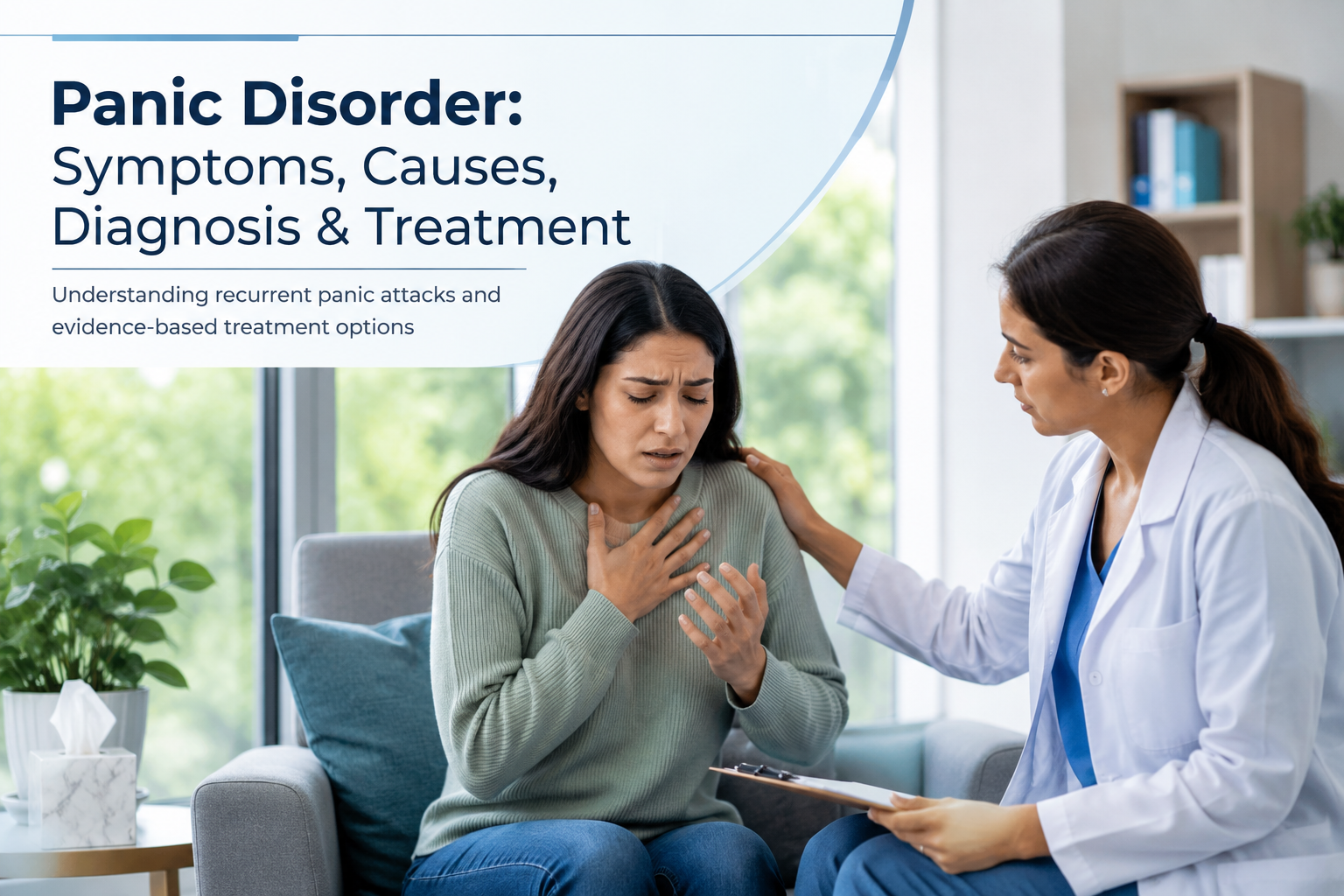
Panic attacks can be frightening and overwhelming, often appearing without warning and causing intense fear within minutes. During a panic attack, many people experience symptoms such as a racing heartbeat, chest discomfort, shortness of breath, dizziness, sweating, trembling, and a feeling that something terrible is about to happen. Because these symptoms can resemble a medical emergency, some individuals believe they are having a heart attack.
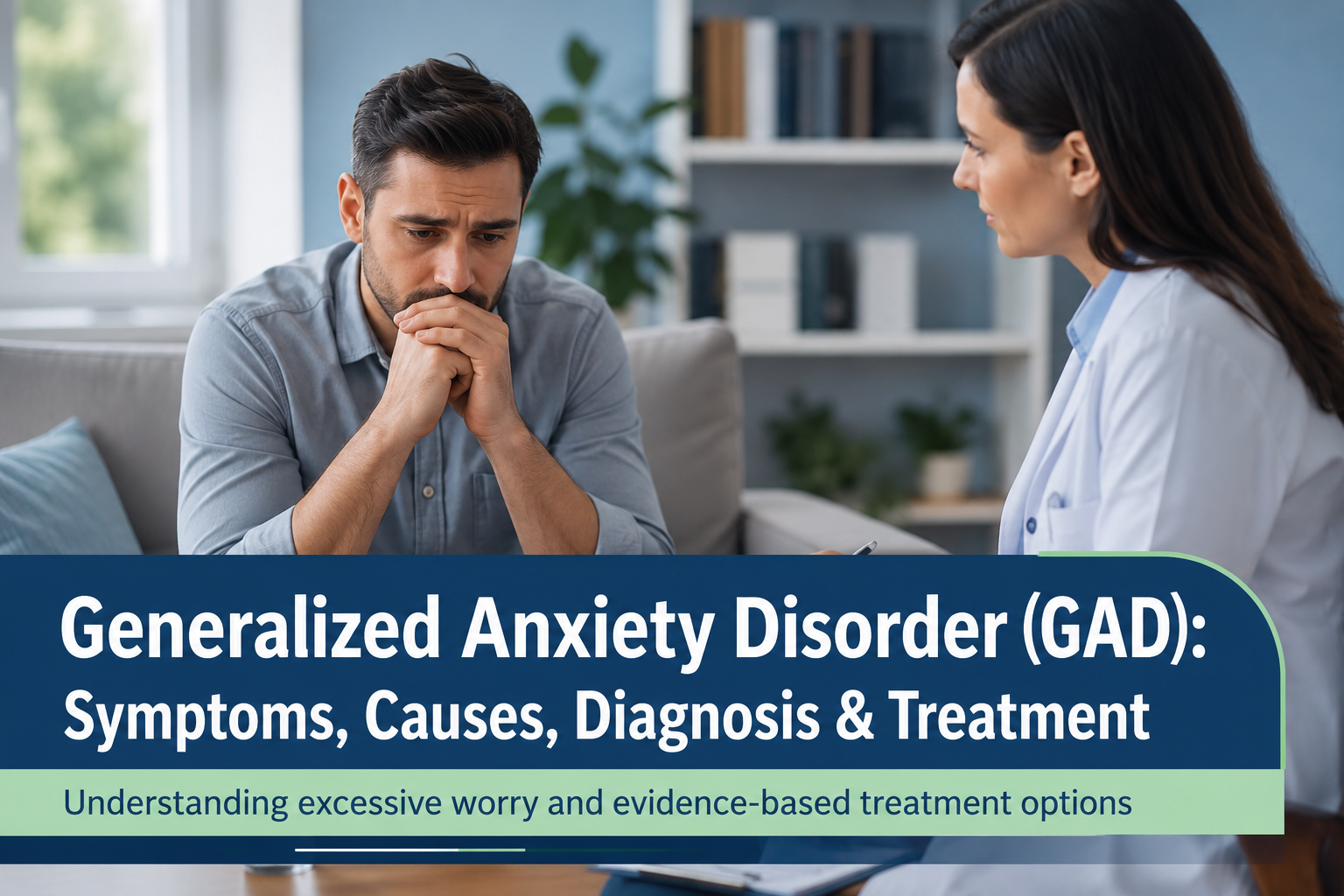
Learning how to treat panic attacks is essential because effective treatment can help reduce symptom severity, improve daily functioning, and lower the risk of future episodes. Fortunately, panic attacks are highly treatable through evidence-based approaches including psychotherapy, breathing techniques, stress management, lifestyle changes, and medication when clinically appropriate. Individuals who experience persistent anxiety between panic episodes may also benefit from understanding Generalized Anxiety Disorder (GAD), another common anxiety condition that often responds well to early treatment.
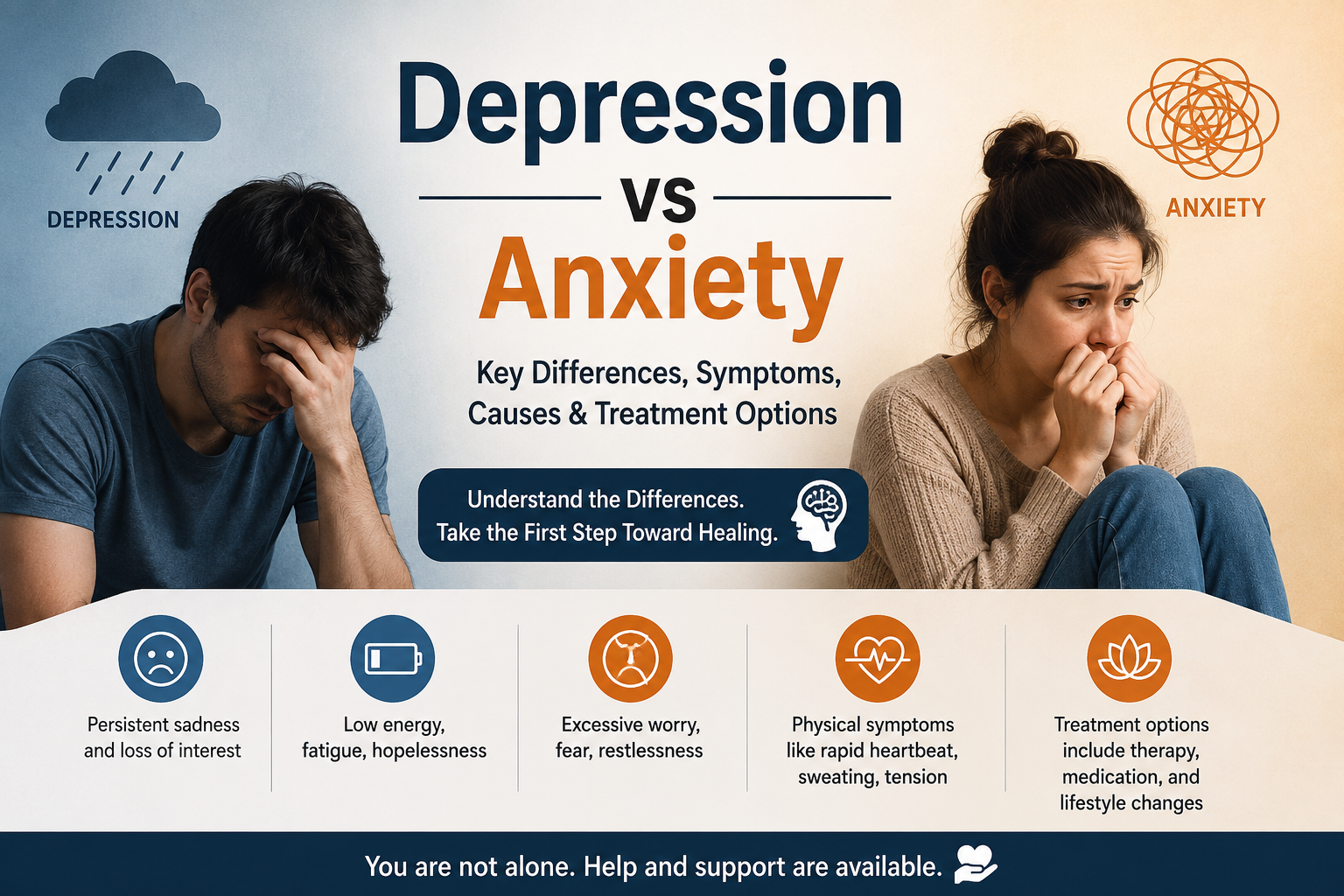
Panic attacks are closely associated with anxiety disorders, but they are not always caused by anxiety alone. Understanding the differences between panic attacks, anxiety, and other mental health conditions is important for receiving an accurate diagnosis and selecting the most effective treatment plan. For a better understanding of how anxiety differs from depression, read our guide on Depression vs Anxiety: Understanding the Differences, Symptoms, Causes & Treatment.
Table of Contents
- What Is a Panic Attack?
- Panic Attack vs Anxiety Attack
- Symptoms of a Panic Attack
- Common Causes
- Risk Factors
- How to Treat a Panic Attack Immediately
- Professional Treatment Options
- Prevention Tips
- Frequently Asked Questions
- Sources & References
What Is a Panic Attack?
A panic attack is a sudden surge of intense fear or discomfort that reaches its peak within a few minutes. It may occur unexpectedly or be triggered by specific situations, environments, or stressful events. While panic attacks themselves are generally not life-threatening, they can feel extremely frightening and may cause individuals to avoid certain places or activities because they fear another episode.
People experiencing a panic attack often report a strong sense of losing control, feeling detached from reality, or believing that something catastrophic is happening. These episodes can occur in individuals with panic disorder, other anxiety disorders, or occasionally in people without a diagnosed mental health condition.
Panic Attack vs Anxiety Attack
The terms panic attack and anxiety attack are often used interchangeably, but they are not exactly the same. A panic attack usually begins suddenly and reaches maximum intensity within minutes, whereas anxiety generally develops more gradually in response to ongoing stress or perceived threats.
| Feature | Panic Attack | Anxiety |
|---|---|---|
| Onset | Sudden | Usually gradual |
| Intensity | Very intense | Mild to severe |
| Duration | Usually 10–30 minutes | May continue for hours or longer |
| Main Emotion | Intense fear | Persistent worry |
| Physical Symptoms | Often severe | Usually less intense |
Although panic attacks and anxiety are closely related, they require proper evaluation to determine the most appropriate treatment approach. Individuals who experience frequent panic attacks may benefit from professional assessment to determine whether panic disorder or another anxiety-related condition is present.
Symptoms of a Panic Attack
Panic attacks can cause a combination of emotional, physical, and cognitive symptoms. Most symptoms develop suddenly and reach maximum intensity within a few minutes. Although panic attacks are usually short-lived, they can feel overwhelming and may leave individuals feeling exhausted afterward.
Common physical symptoms include:
- Rapid heartbeat or heart palpitations.
- Chest pain or chest tightness.
- Shortness of breath.
- Sweating.
- Trembling or shaking.
- Dizziness or lightheadedness.
- Nausea or stomach discomfort.
- Hot flashes or chills.
- Numbness or tingling sensations.
Common emotional and cognitive symptoms include:
- Sudden intense fear.
- Feeling out of control.
- Fear of dying.
- Fear of having a heart attack.
- Feeling detached from reality (derealization).
- Feeling detached from yourself (depersonalization).
- Difficulty concentrating.
What Causes Panic Attacks?
Panic attacks do not always have a single identifiable cause. In many people, several biological, psychological, and environmental factors work together to increase the likelihood of experiencing panic attacks.
1. Anxiety Disorders
Panic attacks frequently occur in people diagnosed with generalized anxiety disorder (GAD), panic disorder, social anxiety disorder, or other anxiety-related conditions.
If you are unsure whether your symptoms are related to anxiety or depression, our guide on Depression vs Anxiety: Understanding the Differences, Symptoms, Causes & Treatment explains how these conditions differ and why they sometimes occur together.
2. Chronic Stress
Long-term stress related to work, finances, caregiving responsibilities, relationships, or academic pressure may increase the likelihood of panic attacks by keeping the body's stress response constantly activated.
3. Family History
Individuals with close family members who have panic disorder or anxiety disorders may have a greater risk of developing similar conditions.
4. Major Life Changes
Moving to a new city, starting a new job, relationship difficulties, grief, divorce, or other significant life events may trigger panic attacks in susceptible individuals.
5. Certain Medical Conditions
Some medical conditions may produce symptoms similar to panic attacks or increase their likelihood, including:
- Thyroid disorders.
- Heart rhythm abnormalities.
- Respiratory conditions.
- Low blood sugar.
- Hormonal changes.
Risk Factors for Panic Attacks
Anyone can experience a panic attack, but certain factors increase the likelihood of developing recurrent panic attacks or panic disorder. To better understand the broader signs, causes, diagnosis, and available treatments for depressive disorders, read our Depression: Symptoms, Causes, Treatment & Prevention Guide.
| Risk Factor | May Increase Risk |
|---|---|
| Family history of panic disorder | ✔ |
| Generalized anxiety disorder | ✔ |
| Chronic stress | ✔ |
| Traumatic experiences | ✔ |
| Poor sleep quality | ✔ |
| High caffeine intake | ✔ |
| Certain medical conditions | ✔ |
Understanding these risk factors allows individuals to recognize early warning signs and seek professional support before symptoms become more severe.
Many people who experience recurring panic attacks also benefit from understanding broader treatment approaches for mood and anxiety disorders. Our evidence-based guide on Depression Treatment Options: Therapies, Medications and Lifestyle Management explains how psychotherapy, medication, and lifestyle strategies support long-term mental health recovery.
How to Treat a Panic Attack Immediately
Although a panic attack can feel overwhelming, there are several evidence-based techniques that may help reduce symptoms while the episode is occurring. These strategies do not always stop a panic attack instantly, but they can help calm the body's stress response and shorten its duration.
1. Practice Slow, Controlled Breathing
Rapid breathing is one of the most common symptoms of a panic attack. Slowing your breathing may help reduce dizziness, chest tightness, and the sensation of losing control.
A simple breathing exercise involves:
- Breathe in slowly through your nose for four seconds.
- Hold your breath gently for two seconds.
- Exhale slowly through your mouth for six seconds.
- Repeat for several minutes until your breathing becomes more comfortable.
2. Use the 5-4-3-2-1 Grounding Technique
Grounding techniques help redirect attention away from fearful thoughts and back to the present moment.
| Step | Action |
|---|---|
| 5 | Name five things you can see. |
| 4 | Identify four things you can touch. |
| 3 | Notice three sounds around you. |
| 2 | Recognize two different smells. |
| 1 | Focus on one thing you can taste. |
This technique helps interrupt escalating anxiety and encourages your mind to focus on your surroundings instead of frightening physical sensations.
3. Remind Yourself That the Panic Attack Will Pass
Many people experiencing a panic attack believe something catastrophic is happening. Gently reminding yourself that panic attacks usually peak within several minutes and gradually improve may reduce additional fear.
4. Reduce External Stimulation
If possible, move to a quieter environment with fewer distractions. Bright lights, loud noises, crowded places, and excessive stimulation may worsen symptoms for some individuals.
5. Relax Your Muscles
Progressive muscle relaxation involves gently tightening and then relaxing different muscle groups throughout the body. This technique may reduce muscle tension that commonly develops during panic attacks.
6. Avoid Fighting the Panic Attack
Trying to completely suppress or resist a panic attack sometimes increases fear and prolongs symptoms. Instead, acknowledge what you are experiencing, continue using coping strategies, and remind yourself that the episode will gradually improve.
When Should You See a Healthcare Professional?
Occasional panic attacks may occur during periods of significant stress. However, professional evaluation is recommended if panic attacks become frequent, unpredictable, or begin interfering with work, education, relationships, or everyday activities.
You should seek medical advice if you experience:
- Repeated panic attacks without an obvious trigger.
- Avoidance of places because of fear of another attack.
- Persistent anxiety between panic attacks.
- Difficulty performing normal daily responsibilities.
- Symptoms that continue becoming more severe.
Many people who experience recurring panic attacks also experience broader anxiety-related symptoms. Understanding the relationship between these conditions may help support early diagnosis and treatment. Our guide on Depression vs Anxiety: Understanding the Differences, Symptoms, Causes & Treatment explains how these conditions can overlap while still requiring individualized care.
Professional Treatment Options for Panic Attacks
While occasional panic attacks may improve with self-help techniques, frequent or recurring episodes often require professional treatment. Some individuals may also experience different forms of depression alongside anxiety disorders. Learn more in our guide on Types of Depression: Symptoms, Causes and Treatment Explained.
Healthcare providers develop individualized treatment plans based on symptom severity, medical history, lifestyle, and whether panic attacks are associated with panic disorder, generalized anxiety disorder, depression, or another mental health condition.
Evidence-based treatment usually combines psychotherapy, healthy lifestyle modifications, stress management techniques, and medication when clinically appropriate.
Cognitive Behavioral Therapy (CBT)
Cognitive Behavioral Therapy (CBT) is considered the first-line psychological treatment for panic disorder and recurrent panic attacks. CBT helps individuals understand how thoughts, emotions, and behaviors influence panic symptoms while teaching practical coping strategies that reduce fear and avoidance.
During CBT, individuals learn to:
- Recognize panic attack triggers.
- Identify negative thought patterns.
- Challenge catastrophic thinking.
- Practice healthier coping techniques.
- Gradually reduce avoidance behaviors.
- Build confidence in managing future panic attacks.
Prescription Medications
Some individuals may benefit from prescription medications, particularly when panic attacks are frequent, severe, or significantly interfere with everyday life. Medication decisions should always be made by a qualified healthcare professional after a comprehensive evaluation.
Common medication categories include:
- Selective Serotonin Reuptake Inhibitors (SSRIs).
- Serotonin-Norepinephrine Reuptake Inhibitors (SNRIs).
- Other medications when clinically appropriate.
Never start, stop, or change prescription medication without consulting your healthcare provider.
For a broader understanding of evidence-based mental health therapies, medications, and recovery strategies, you can also read our comprehensive guide on Depression Treatment Options: Therapies, Medications and Lifestyle Management.
Lifestyle Changes That Support Recovery
Healthy lifestyle habits play an important role in reducing the frequency of panic attacks and improving overall emotional well-being. Although lifestyle changes cannot replace professional treatment, they often complement psychotherapy and medical care.
| Healthy Habit | Potential Benefit |
|---|---|
| Regular exercise | Supports stress reduction and emotional well-being. |
| Consistent sleep schedule | Improves emotional regulation and recovery. |
| Balanced nutrition | Supports overall physical and mental health. |
| Limiting caffeine | May reduce panic-like symptoms in sensitive individuals. |
| Mindfulness and relaxation | Helps reduce stress and improve coping skills. |
| Strong social support | Provides emotional encouragement during recovery. |
Can Panic Attacks Be Prevented?
Although panic attacks cannot always be completely prevented, healthy daily habits and early treatment may reduce their frequency and severity. Parents and caregivers supporting young people with anxiety-related symptoms may also find our article on Depression Symptoms in Teenagers: Signs, Causes, Risk Factors and When to Seek Help helpful.
Helpful prevention strategies include:
- Following your treatment plan consistently.
- Practicing breathing and relaxation exercises regularly.
- Managing chronic stress in healthy ways.
- Getting enough sleep every night.
- Avoiding excessive caffeine if it triggers symptoms.
- Seeking professional support early when symptoms worsen.
Long-Term Outlook
The long-term outlook for panic attacks is generally very positive. Many people experience substantial improvement through psychotherapy, healthy lifestyle habits, stress management techniques, and medical treatment when appropriate.
Because panic attacks often occur alongside anxiety or depression, understanding related mental health conditions may also support recovery. If you're interested in learning how depression differs from anxiety, visit our article on Depression vs Anxiety: Understanding the Differences, Symptoms, Causes & Treatment.
Conclusion
Panic attacks can be frightening, but they are highly treatable. Understanding how to treat panic attacks begins with recognizing their symptoms, identifying possible triggers, and learning effective coping techniques that can be used during an episode. While immediate strategies such as controlled breathing, grounding exercises, and relaxation techniques may help reduce symptom intensity, long-term recovery often involves professional support through Cognitive Behavioral Therapy (CBT), healthy lifestyle changes, and medication when recommended by a healthcare professional.
Many individuals who experience panic attacks also have underlying anxiety disorders or other mental health conditions. Receiving an accurate diagnosis allows healthcare professionals to recommend the most appropriate treatment plan based on individual needs. If panic attacks become frequent, interfere with daily activities, or cause avoidance of work, travel, or social situations, seeking professional medical advice is strongly recommended.
With early intervention, consistent treatment, and healthy daily habits, most people experience significant improvement and successfully regain confidence in managing their symptoms.
Sources & References
- National Institute of Mental Health (NIMH) – Panic Disorder
- National Institute of Mental Health (NIMH) – Anxiety Disorders
- World Health Organization (WHO) – Mental Disorders
- Mayo Clinic – Panic Attacks and Panic Disorder
- NHS – Panic Disorder
- MedlinePlus – Panic Disorder
- American Psychological Association (APA) – Panic Disorder
- Centers for Disease Control and Prevention (CDC) – Mental Health
Related Health Resources
Explore more trusted health resources related to this topic. These articles can help you better understand symptoms, causes, treatment options and prevention strategies.