Key Takeaways
- Depression and anxiety are separate mental health conditions, but they often occur together.
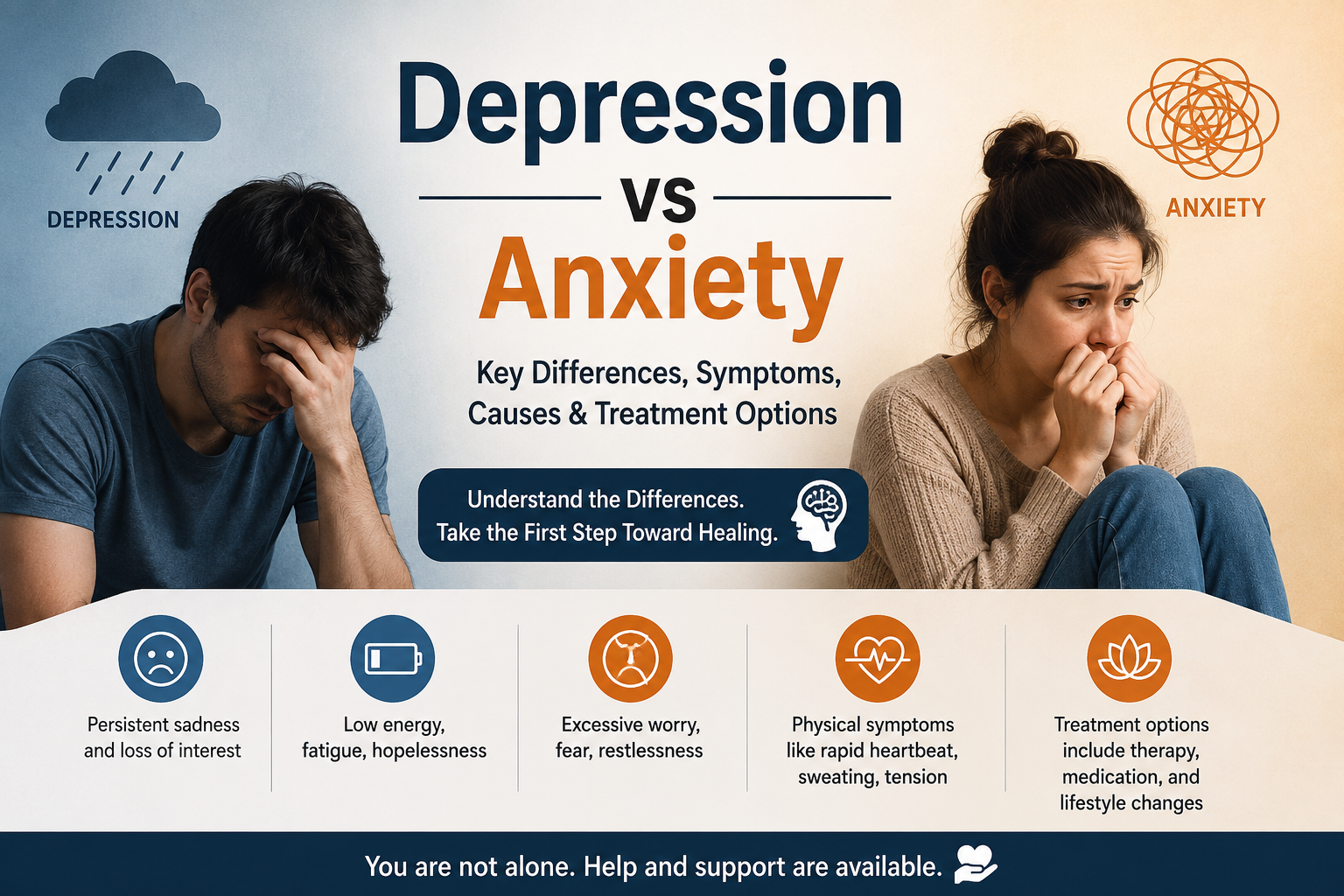
- Depression mainly affects mood, motivation, and enjoyment of life, whereas anxiety is characterized by excessive fear, worry, and nervousness.
- Both conditions can affect emotional, physical, and cognitive health if left untreated.
- Early diagnosis and evidence-based treatment can significantly improve long-term recovery.
- Psychotherapy, healthy lifestyle changes, and medication (when clinically appropriate) are among the most effective treatment options.
Depression and anxiety are among the most common mental health conditions worldwide, affecting millions of people every year. Although these disorders frequently occur together and share several symptoms, they are not the same condition. Understanding the differences between them is essential because the diagnosis, treatment approach, and long-term management may vary depending on the underlying condition.
Many people searching for information about depression vs anxiety are unsure whether persistent sadness, constant worrying, fatigue, poor concentration, sleep disturbances, or lack of motivation indicate depression, anxiety, or both. Since these symptoms often overlap, it is not always possible to distinguish between them without a proper medical evaluation.
Fortunately, both depression and anxiety are highly treatable. With early recognition, professional support, healthy lifestyle habits, and evidence-based treatment, many individuals experience significant improvement and return to their normal daily activities. To better understand available therapies, medications, and recovery strategies, read our comprehensive guide on Depression Treatment Options: Therapies, Medications and Lifestyle Management.
This comprehensive guide explains the major differences between depression and anxiety, including their symptoms, causes, risk factors, diagnosis, treatment options, prevention strategies, and practical coping techniques recommended by healthcare professionals.
Table of Contents
- What Is Depression?
- What Is Anxiety?
- Depression vs Anxiety: Key Differences
- Can You Have Depression and Anxiety Together?
- Symptoms of Depression
- Symptoms of Anxiety
- Symptoms Shared by Both Conditions
- Common Causes
- Risk Factors
- Diagnosis
- Treatment Options
- Lifestyle Changes
- Prevention Tips
- Frequently Asked Questions
- Sources & References
What Is Depression?
Depression, medically known as Major Depressive Disorder (MDD), is a mental health condition that causes persistent feelings of sadness, hopelessness, emptiness, and loss of interest in activities that were once enjoyable. Unlike temporary sadness that may occur after a stressful event, depression typically lasts for weeks or months and significantly affects work, education, relationships, and daily responsibilities. For a more comprehensive overview of symptoms, causes, diagnosis, and treatment, read our Depression: Symptoms, Causes, Treatment & Prevention Guide.
Depression can also influence physical health. Many individuals experience changes in appetite, sleep disturbances, fatigue, poor concentration, and reduced motivation. Because symptoms vary from person to person, some individuals may not recognize that they are living with depression until it begins affecting multiple aspects of their lives.
Without appropriate treatment, depression may become more severe over time. However, early diagnosis and evidence-based treatment can help most people recover successfully and improve their quality of life.
What Is Anxiety?
Anxiety is the body's natural response to stress or perceived danger. Feeling anxious before an important examination, job interview, public presentation, or major life event is completely normal. This temporary response helps the body remain alert and prepared.
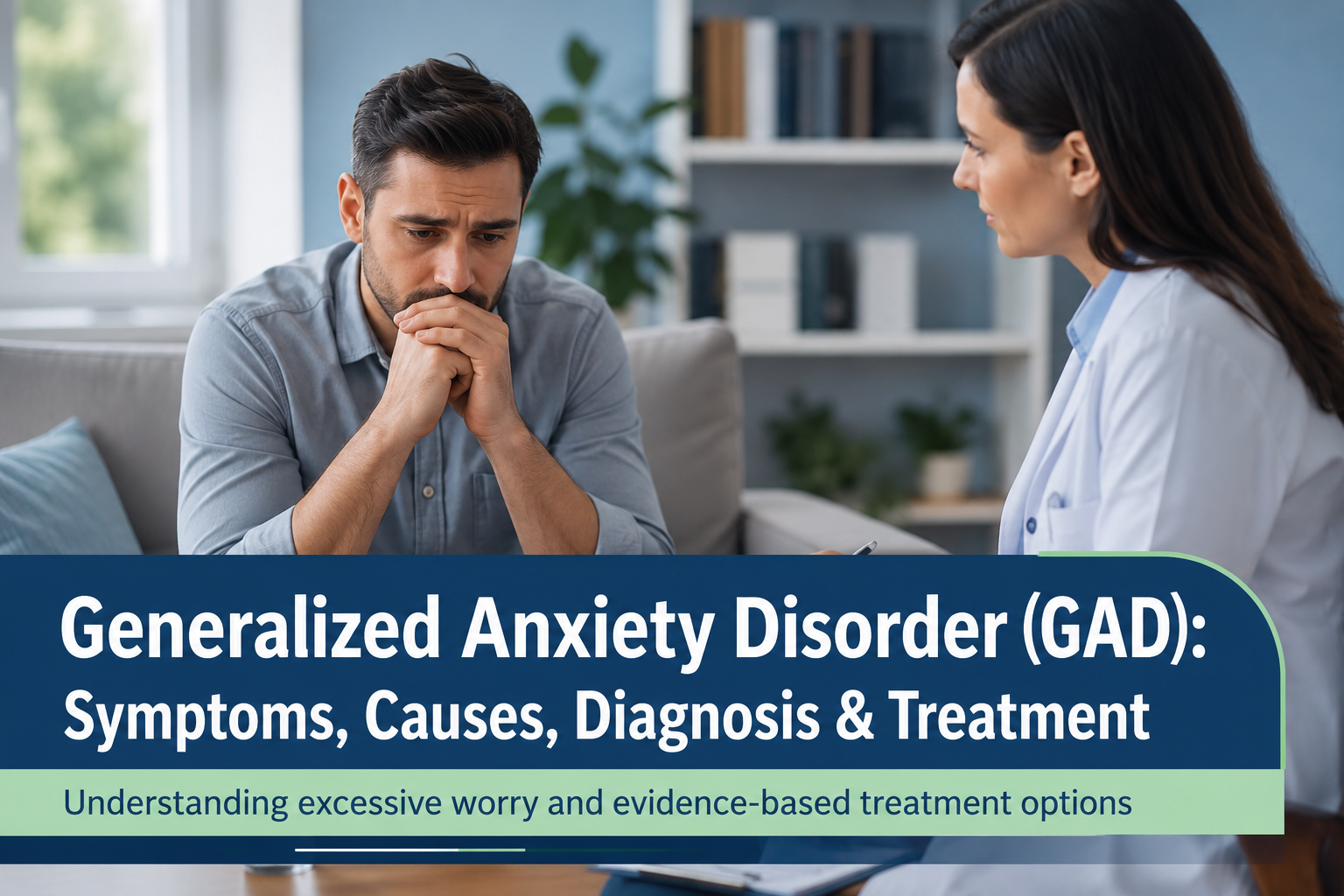
However, when fear or excessive worry becomes persistent, difficult to control, and begins interfering with daily activities, it may indicate an anxiety disorder. Anxiety disorders include conditions such as generalized anxiety disorder (GAD), panic disorder, social anxiety disorder, and specific phobias.
People living with anxiety often experience excessive worry about future events, difficulty relaxing, muscle tension, restlessness, rapid heartbeat, and trouble concentrating. These symptoms may continue even when there is little or no actual danger. Because anxiety and depression frequently occur together, understanding available treatment approaches can also be helpful. Learn more in our guide on Depression Treatment Options: Therapies, Medications and Lifestyle Management.
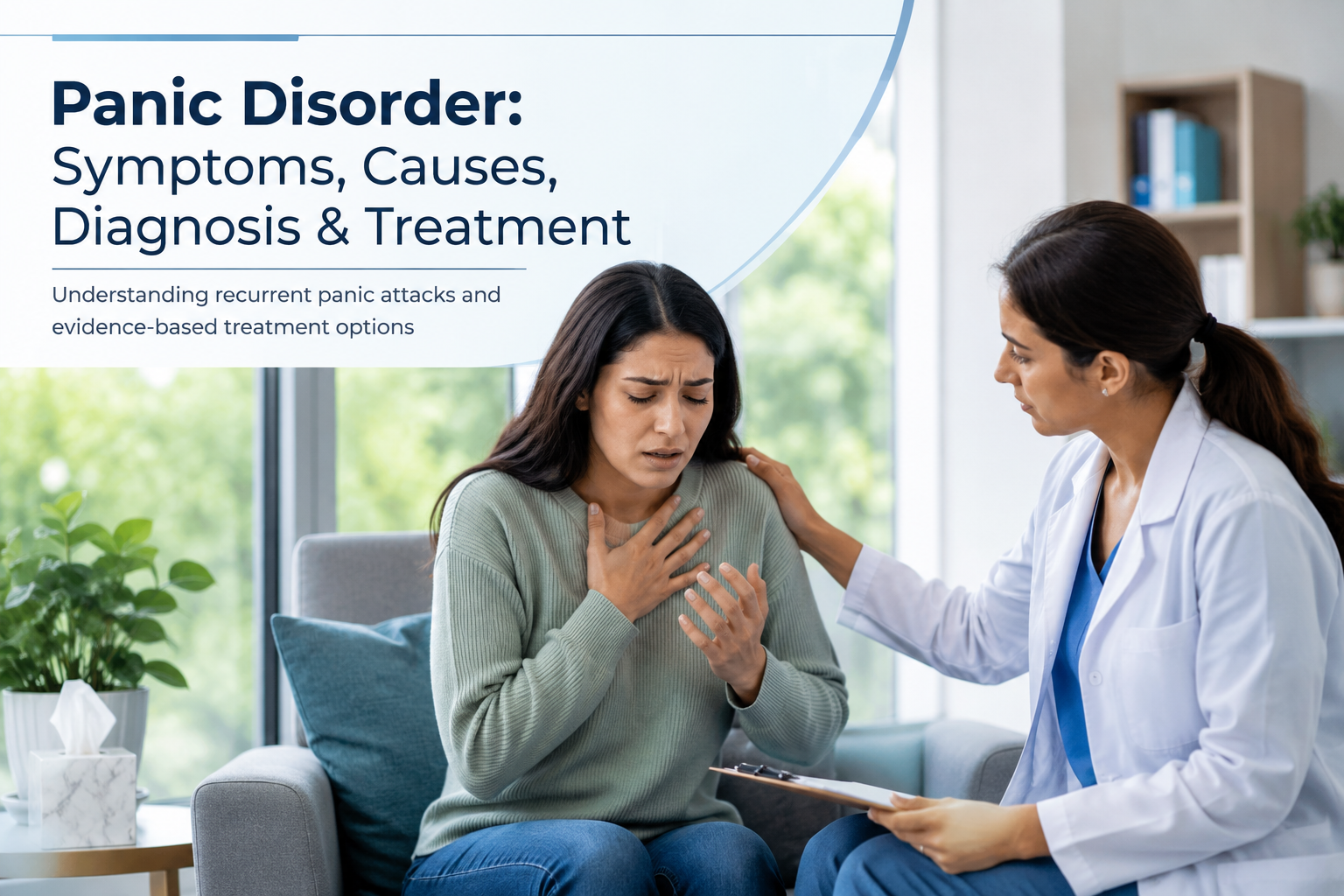
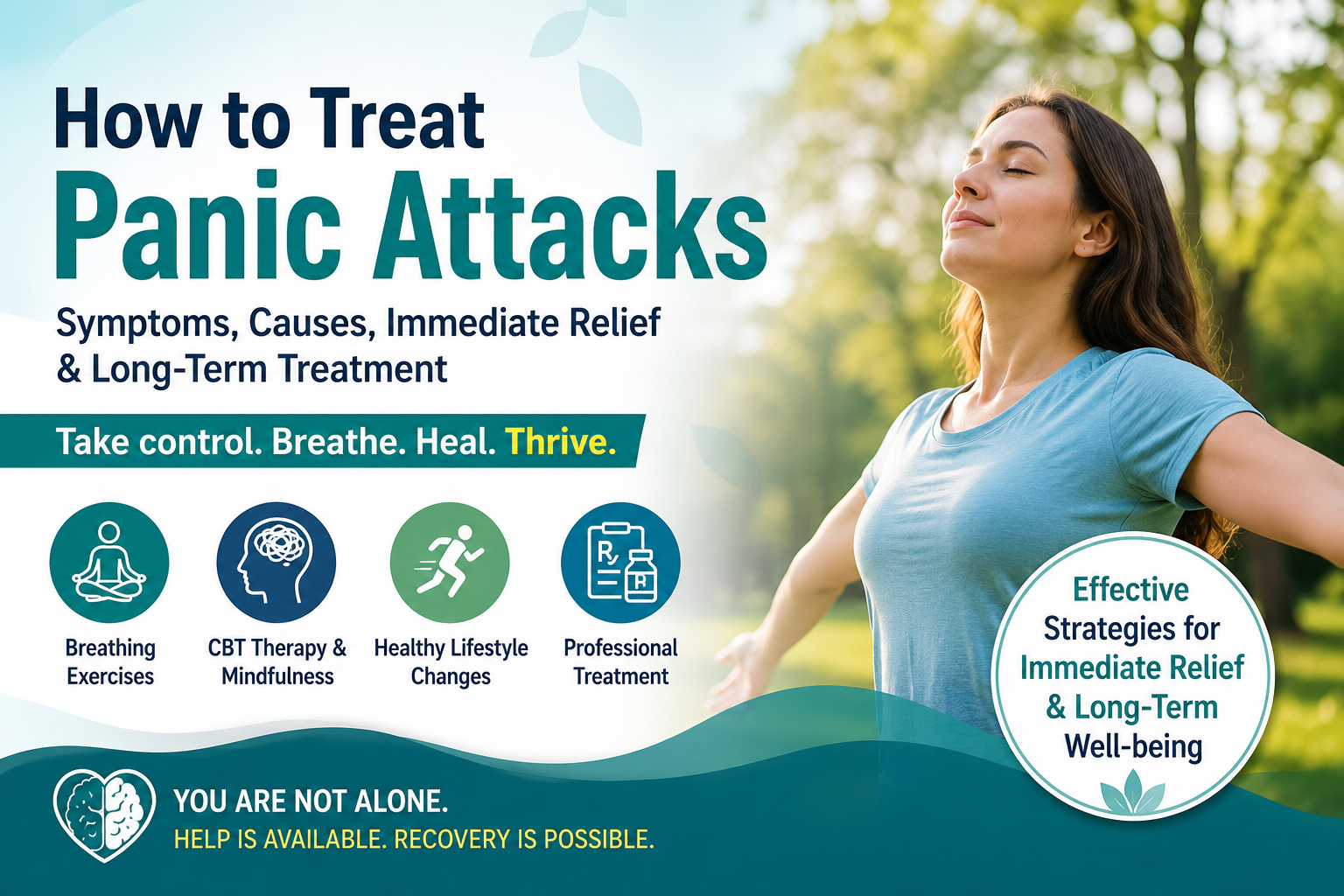
Although anxiety disorders can significantly affect quality of life, they respond well to appropriate treatment, especially when identified early. If anxiety sometimes leads to sudden episodes of overwhelming fear, rapid heartbeat, chest discomfort, or shortness of breath, you may also benefit from reading our guide on How to Treat Panic Attacks: Symptoms, Causes, Immediate Relief & Long-Term Treatment. If these panic attacks become recurrent and are followed by persistent fear of future episodes, learn more in our guide on Panic Disorder: Symptoms, Causes, Diagnosis & Treatment.
Depression vs Anxiety: Understanding the Key Differences
Although depression and anxiety frequently occur together, they affect emotional health in different ways. Depression primarily causes persistent sadness, hopelessness, and loss of motivation, while anxiety is mainly characterized by excessive worry, fear, nervousness, and anticipation of future problems. One of the most common anxiety disorders associated with persistent and difficult-to-control worry is Generalized Anxiety Disorder (GAD), which may require its own diagnosis and evidence-based treatment.
Recognizing these differences is important because an accurate diagnosis helps healthcare professionals recommend the most appropriate treatment plan. Some individuals experience only depression or only anxiety, while many develop symptoms of both conditions simultaneously. If you would like to understand the early warning signs of depression in greater detail, read our comprehensive guide on Depression: Symptoms, Causes, Treatment & Prevention Guide.
| Feature | Depression | Anxiety |
|---|---|---|
| Primary Emotion | Persistent sadness, emptiness, hopelessness | Excessive fear, worry, nervousness |
| Main Focus | Loss of interest and enjoyment | Fear of future events or uncertainty |
| Energy Levels | Usually reduced | Often restless or constantly on edge |
| Thinking Pattern | Negative thoughts about self and future | Persistent worrying and overthinking |
| Sleep Problems | Sleeping too much or insomnia | Difficulty falling asleep due to racing thoughts |
| Physical Symptoms | Fatigue, appetite changes, low energy | Rapid heartbeat, sweating, muscle tension |
| Daily Impact | Reduced motivation and productivity | Difficulty relaxing and concentrating |
While these differences are helpful, they are not absolute. Every individual experiences mental health conditions differently, and symptom severity can vary considerably.
Can You Have Depression and Anxiety at the Same Time?
Yes. Depression and anxiety commonly occur together, a situation known as comorbid depression and anxiety. In fact, healthcare professionals frequently diagnose both conditions in the same individual because they share several biological, psychological, and environmental risk factors.
Someone experiencing both disorders may notice symptoms such as:
- Persistent sadness along with constant worrying.
- Difficulty concentrating because of both low mood and anxious thoughts.
- Poor sleep caused by racing thoughts and emotional distress.
- Fatigue despite getting enough rest.
- Reduced motivation together with fear of everyday situations.
- Social withdrawal and avoidance behaviors.
When depression and anxiety occur together, symptoms may feel more severe than either condition alone. Fortunately, evidence-based treatments such as Cognitive Behavioral Therapy (CBT), healthy lifestyle changes, and medication when appropriate are often effective for both conditions.
Common Symptoms of Depression
Depression affects emotional, physical, and cognitive health. Symptoms usually persist for at least two weeks and interfere with normal daily functioning.
Common emotional symptoms include:
- Persistent sadness or low mood.
- Feeling hopeless or empty.
- Loss of interest in hobbies and enjoyable activities.
- Feelings of guilt or worthlessness.
- Reduced self-confidence.
- Difficulty experiencing happiness.
Physical symptoms may include:
- Persistent fatigue or low energy.
- Changes in appetite.
- Unexpected weight gain or weight loss.
- Sleeping too much or difficulty sleeping.
- Reduced physical activity.
- Unexplained aches and pains.
Cognitive symptoms may include:
- Difficulty concentrating.
- Poor memory.
- Trouble making decisions.
- Slower thinking.
- Difficulty completing everyday tasks.
| Emotional Symptoms | Physical Symptoms | Cognitive Symptoms |
|---|---|---|
| Sadness | Fatigue | Poor concentration |
| Hopelessness | Sleep disturbances | Memory problems |
| Loss of interest | Appetite changes | Difficulty making decisions |
| Worthlessness | Low energy | Negative thinking |
| Irritability | Body aches | Reduced productivity |
Symptoms vary from person to person. Some individuals mainly experience emotional changes, while others notice physical symptoms before recognizing changes in mood. Symptoms may also differ based on age and sex. Learn more in our guides on Depression Symptoms in Women, Depression Symptoms in Men, and Depression Symptoms in Teenagers.
Common Symptoms of Anxiety
Anxiety affects emotional, physical, and behavioral health. While occasional nervousness before an important event is completely normal, anxiety disorders involve persistent and excessive fear or worry that is difficult to control and often interferes with everyday life.
The symptoms of anxiety may develop gradually or appear suddenly depending on the specific anxiety disorder. Some individuals experience mild symptoms, while others find that anxiety significantly affects work, relationships, education, and overall quality of life.
Common symptoms of anxiety include:
- Persistent and excessive worrying.
- Feeling restless or constantly on edge.
- Difficulty relaxing.
- Rapid heartbeat or heart palpitations.
- Muscle tension.
- Sweating.
- Shortness of breath.
- Difficulty concentrating.
- Irritability.
- Trouble falling asleep or staying asleep.
Unlike depression, anxiety often causes individuals to constantly anticipate future problems, even when there is little or no evidence that something bad will happen.
Symptoms Shared by Depression and Anxiety
Because depression and anxiety frequently occur together, they share several emotional, cognitive, and physical symptoms. This overlap is one reason why professional diagnosis is important.
| Shared Symptom | Depression | Anxiety |
|---|---|---|
| Difficulty sleeping | ✔ | ✔ |
| Poor concentration | ✔ | ✔ |
| Fatigue | ✔ | ✔ |
| Irritability | ✔ | ✔ |
| Reduced productivity | ✔ | ✔ |
| Digestive discomfort | Sometimes | Sometimes |
| Social withdrawal | Common | Possible |
Although these conditions share certain symptoms, the emotional experience is often different. Depression is primarily associated with hopelessness and loss of interest, while anxiety is dominated by fear, uncertainty, and excessive worry.
What Causes Depression and Anxiety?
Neither depression nor anxiety has a single cause. Instead, they usually develop through a combination of biological, psychological, environmental, and lifestyle factors.
1. Genetics
A family history of depression, anxiety disorders, or other mental health conditions may increase an individual's risk of developing similar conditions. Genetics influence how the brain responds to stress and emotional challenges.
2. Brain Chemistry
Neurotransmitters such as serotonin, dopamine, norepinephrine, and gamma-aminobutyric acid (GABA) help regulate mood and emotional responses. Changes in these brain chemicals may contribute to depression, anxiety, or both.
3. Long-Term Stress
Chronic stress caused by work pressure, financial difficulties, relationship problems, caregiving responsibilities, or academic challenges may significantly increase the risk of developing mental health disorders.
4. Traumatic Experiences
Childhood abuse, violence, military combat, serious accidents, natural disasters, emotional neglect, or the sudden loss of a loved one may increase the likelihood of developing depression, anxiety, or both.
5. Physical Health Conditions
Certain medical conditions are associated with an increased risk of mental health disorders, including:
- Heart disease
- Diabetes
- Chronic pain disorders
- Cancer
- Thyroid disorders
- Neurological diseases
- Hormonal changes
Treating underlying medical conditions may help improve emotional well-being in some individuals.
6. Alcohol and Substance Misuse
Excessive alcohol consumption, recreational drug use, and certain prescription medications may worsen symptoms of depression or anxiety and interfere with recovery.
Risk Factors
Although anyone can develop depression or anxiety, certain factors increase the likelihood of experiencing one or both conditions. Understanding the different forms of depression may also help explain why symptoms and risk factors vary from one person to another. Learn more in our article on Types of Depression: Symptoms, Causes and Treatment Explained.
| Risk Factor | Depression | Anxiety |
|---|---|---|
| Family history | ✔ | ✔ |
| Chronic stress | ✔ | ✔ |
| Past trauma | ✔ | ✔ |
| Chronic illness | ✔ | ✔ |
| Substance misuse | ✔ | ✔ |
| Major life changes | ✔ | ✔ |
| Poor sleep habits | ✔ | ✔ |
Having one or more risk factors does not necessarily mean someone will develop depression or anxiety. However, recognizing these factors may encourage earlier intervention and healthier coping strategies.
How Are Depression and Anxiety Diagnosed?
Depression and anxiety are diagnosed through a comprehensive medical and psychological evaluation rather than a single laboratory test. Healthcare professionals assess symptoms, medical history, family history, lifestyle factors, and the impact of symptoms on daily functioning before making a diagnosis.
Because several medical conditions can produce symptoms similar to depression or anxiety, your healthcare provider may recommend additional investigations to rule out underlying physical illnesses.
A comprehensive evaluation may include:
- Detailed discussion of current symptoms.
- Review of personal and family medical history.
- Physical examination.
- Mental health screening questionnaires.
- Medication review.
- Assessment of sleep patterns, appetite, and daily functioning.
- Blood tests when medically appropriate.
| Diagnostic Assessment | Purpose |
|---|---|
| Medical History | Identify possible contributing medical conditions and symptom duration. |
| Physical Examination | Rule out physical illnesses causing similar symptoms. |
| Mental Health Assessment | Evaluate emotional, behavioral, and cognitive symptoms. |
| Laboratory Tests | Exclude thyroid disorders, vitamin deficiencies, or other medical conditions when indicated. |
| Medication Review | Determine whether medications or substances may contribute to symptoms. |
Treatment Options for Depression and Anxiety
Both depression and anxiety are highly treatable. The most effective treatment depends on symptom severity, medical history, underlying health conditions, and personal preferences. Many individuals benefit from combining psychotherapy, healthy lifestyle changes, stress management strategies, and medication when clinically appropriate. For a more detailed overview of available therapies and medications, see our guide on Depression Treatment Options: Therapies, Medications and Lifestyle Management.
| Treatment Option | Depression | Anxiety |
|---|---|---|
| Cognitive Behavioral Therapy (CBT) | Highly Recommended | Highly Recommended |
| Psychotherapy | Recommended | Recommended |
| Lifestyle Modifications | Beneficial | Beneficial |
| Prescription Medication | When Appropriate | When Appropriate |
| Stress Management | Recommended | Recommended |
Cognitive Behavioral Therapy (CBT)
Cognitive Behavioral Therapy (CBT) is considered one of the most effective evidence-based psychological treatments for both depression and anxiety. CBT helps individuals recognize unhealthy thought patterns, understand emotional triggers, and develop healthier coping strategies.
CBT may help individuals:
- Identify negative thinking patterns.
- Develop healthier responses to stress.
- Improve emotional regulation.
- Reduce excessive worrying.
- Increase self-confidence.
- Prevent future symptom relapse.
Psychotherapy
Psychotherapy provides a safe and supportive environment where individuals can explore emotions, identify stressors, improve communication skills, and develop healthier coping mechanisms. Different forms of psychotherapy may be recommended depending on individual needs and diagnosis.
Prescription Medications
Healthcare professionals may recommend medication for individuals experiencing moderate to severe depression or anxiety, particularly when symptoms significantly interfere with daily functioning.
Common medication categories include:
- Selective Serotonin Reuptake Inhibitors (SSRIs).
- Serotonin-Norepinephrine Reuptake Inhibitors (SNRIs).
- Other antidepressant medications when clinically appropriate.
Medication should always be taken exactly as prescribed. Never stop or change prescription medication without first consulting your healthcare provider.
Can Lifestyle Changes Improve Depression and Anxiety?
Yes. Healthy lifestyle habits cannot replace professional treatment, but they can significantly improve emotional well-being and support long-term recovery when combined with evidence-based medical care. You can also learn about the various forms of depressive disorders in our article on Types of Depression.
Helpful lifestyle strategies include:
- Engaging in regular physical activity.
- Maintaining a consistent sleep schedule.
- Eating a balanced and nutritious diet.
- Limiting excessive caffeine and alcohol.
- Practicing mindfulness and relaxation techniques.
- Building supportive social relationships.
- Managing chronic stress through healthy coping strategies.
Small, consistent lifestyle improvements often produce meaningful long-term benefits for overall mental health.
Can Depression and Anxiety Be Prevented?
Although depression and anxiety cannot always be completely prevented, adopting healthy lifestyle habits and recognizing symptoms early may significantly reduce the risk of developing severe mental health problems. Prevention focuses on improving emotional resilience, reducing chronic stress, and seeking professional support before symptoms become overwhelming.
Simple daily habits that may help support long-term mental wellness include:
- Maintaining a regular sleep schedule.
- Participating in physical activity most days of the week.
- Eating a balanced and nutritious diet.
- Practicing stress-management techniques.
- Limiting alcohol and avoiding recreational drugs.
- Reducing excessive caffeine intake if it worsens anxiety symptoms.
- Maintaining supportive relationships with family and friends.
- Seeking professional help when symptoms first appear.
When Should You Seek Professional Help?
Occasional stress, sadness, or worry is a normal part of life. However, professional evaluation is recommended when emotional symptoms become persistent, interfere with daily activities, or significantly affect your quality of life.
You should consider speaking with a qualified healthcare professional if you experience:
- Persistent sadness lasting more than two weeks.
- Constant worry that feels difficult to control.
- Difficulty performing everyday responsibilities.
- Changes in appetite or sleeping patterns.
- Loss of interest in activities you previously enjoyed.
- Ongoing fatigue or low energy.
- Difficulty concentrating at work or school.
- Symptoms that continue becoming worse despite self-care efforts.
Long-Term Outlook
The outlook for individuals living with depression, anxiety, or both is generally positive when appropriate treatment begins early. Many people experience significant improvement through psychotherapy, healthy lifestyle changes, medication when clinically indicated, and ongoing emotional support.
Recovery does not necessarily mean symptoms disappear immediately. Many individuals gradually experience fewer symptoms, improved emotional resilience, better relationships, and increased confidence in managing daily challenges. If you are supporting a loved one, remember that symptoms can present differently across age groups. You may find our guides on Depression Symptoms in Teenagers, Depression Symptoms in Men, and Depression Symptoms in Women helpful.
Regular follow-up with healthcare professionals and consistent adherence to the recommended treatment plan are important for maintaining long-term mental wellness.
Conclusion
Understanding the differences between depression vs anxiety is essential for recognizing symptoms early and receiving appropriate treatment. Although these conditions share several emotional and physical symptoms, depression is primarily characterized by persistent sadness and loss of interest, while anxiety is dominated by excessive fear, nervousness, and constant worry about future events.
Fortunately, both depression and anxiety are highly treatable. Evidence-based treatments such as Cognitive Behavioral Therapy (CBT), psychotherapy, healthy lifestyle habits, stress management techniques, and medication when appropriate have helped millions of people improve their mental health and quality of life.
If you or someone you know is experiencing ongoing symptoms of depression or anxiety, speaking with a qualified healthcare professional is one of the most important steps toward recovery. To better understand early warning signs and available treatment approaches, you may also find our articles on Depression: Symptoms, Causes, Treatment & Prevention Guide, Depression Symptoms in Women, and Depression Symptoms in Men helpful.
Early intervention can improve long-term outcomes and help individuals regain confidence, emotional balance, and overall well-being.
Sources & References
- World Health Organization (WHO) – Depression Fact Sheet
- World Health Organization (WHO) – Mental Disorders
- National Institute of Mental Health (NIMH) – Depression
- National Institute of Mental Health (NIMH) – Anxiety Disorders
- National Institute of Mental Health (NIMH) – So Stressed Out? Fact Sheet
- Mayo Clinic – Depression: Diagnosis and Treatment
- Mayo Clinic – Anxiety Disorders
- NHS – Clinical Depression
- NHS – Generalised Anxiety Disorder (GAD)
- MedlinePlus – Depression
- MedlinePlus – Anxiety
- Centers for Disease Control and Prevention (CDC) – Mental Health
Related Health Resources
Explore more trusted health resources related to this topic. These articles can help you better understand symptoms, causes, treatment options and prevention strategies.