Introduction
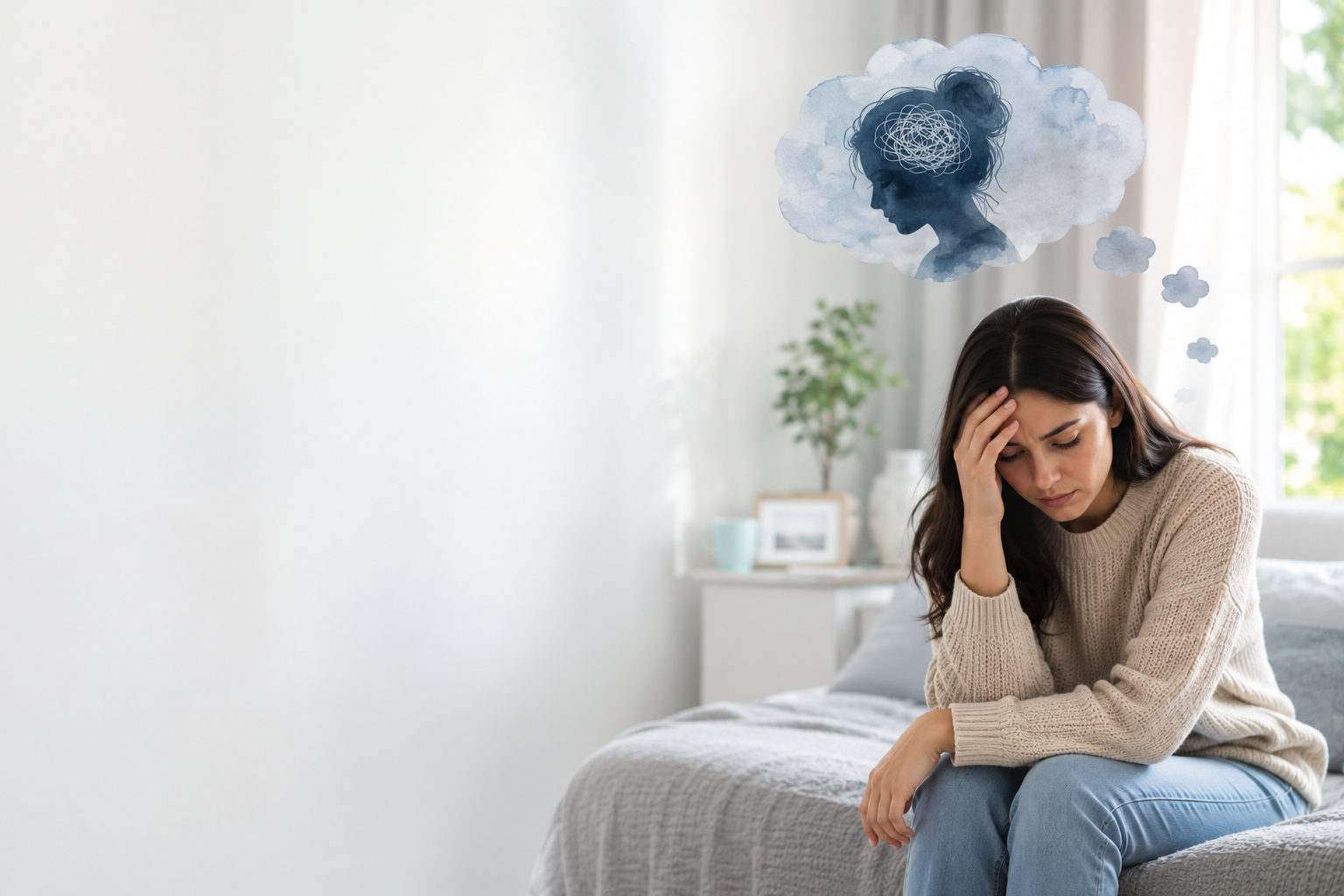
Depression is one of the most common mental health conditions worldwide and can affect women at every stage of life. Although depression can occur in anyone, women may experience certain symptoms, hormonal influences, and life events that make their experience different from men. Understanding these differences may help with early recognition and encourage timely professional support.
Symptoms of depression in women may affect emotional well-being, physical health, relationships, work, and daily activities. Some women experience persistent sadness, while others notice changes in sleep, appetite, energy levels, or concentration. Hormonal changes during puberty, pregnancy, postpartum, and menopause may also influence mental health in some individuals.
This educational guide explains the common symptoms of depression in women, possible causes, risk factors, diagnosis, treatment options, and when professional medical evaluation is recommended. The information provided is for educational purposes only and should not replace medical advice.
Quick Facts
| Topic | Information |
|---|---|
| Condition | Depression in Women |
| Medical Specialty | Mental Health / Psychiatry |
| Common Symptoms | Persistent sadness, fatigue, sleep changes, appetite changes, loss of interest, difficulty concentrating |
| Diagnosis | Clinical assessment by a qualified healthcare professional |
| Treatment | Psychotherapy, medication when appropriate, lifestyle changes, and ongoing support |
What Are Depression Symptoms in Women?
Depression symptoms in women include a combination of emotional, physical, cognitive, and behavioral changes that persist over time and interfere with daily functioning. While many symptoms are similar in both men and women, hormonal changes and reproductive life events may influence how depression develops and presents in some women.
Symptoms may develop gradually or appear after stressful life events. Their severity varies from person to person, and professional assessment is important for an accurate diagnosis and appropriate treatment planning.
Why Early Recognition Matters
Recognizing depression symptoms early may help women receive timely support and appropriate treatment before symptoms significantly affect work, relationships, family life, or overall well-being. Early intervention is associated with better long-term outcomes and improved quality of life.
- Supports earlier diagnosis.
- Encourages timely treatment.
- Helps reduce complications.
- Improves emotional well-being.
- Promotes better long-term recovery.
Related Health Resources
For a broader understanding of depression and its causes, symptoms, and treatment options, explore these educational guides:
Key Takeaways
- Depression affects women of all ages.
- Symptoms may be emotional, physical, cognitive, or behavioral.
- Hormonal changes may influence mental health in some women.
- Professional evaluation is important for an accurate diagnosis.
- Many women improve with evidence-based treatment and ongoing support.
Common Depression Symptoms in Women
Depression may affect women emotionally, physically, mentally, and behaviorally. Symptoms usually persist for at least two weeks and can interfere with work, family responsibilities, relationships, and daily activities. The severity and combination of symptoms vary between individuals.
| Symptom Category | Examples |
|---|---|
| Emotional | Persistent sadness, hopelessness, frequent crying, irritability |
| Physical | Fatigue, headaches, sleep problems, appetite changes |
| Cognitive | Poor concentration, difficulty making decisions, forgetfulness |
| Behavioral | Loss of interest in activities, social withdrawal, reduced productivity |
Emotional Symptoms
Many women first notice emotional changes before recognizing other symptoms of depression. These symptoms may gradually worsen if professional support is not sought.
- Persistent sadness or low mood.
- Feeling hopeless or helpless.
- Loss of interest in hobbies and daily activities.
- Frequent crying without a clear reason.
- Feeling overwhelmed by everyday responsibilities.
- Increased irritability.
- Excessive guilt or self-blame.
- Reduced self-confidence.
Physical Symptoms
Depression affects more than emotional health. Many women experience physical symptoms that may initially appear unrelated to mental health.
- Persistent fatigue.
- Low energy throughout the day.
- Sleep disturbances, including insomnia or sleeping too much.
- Changes in appetite.
- Weight gain or weight loss.
- Headaches.
- Body aches without a clear medical cause.
- Digestive discomfort.
Cognitive Symptoms
Depression can also affect thinking, memory, and concentration, making everyday tasks more difficult.
- Difficulty concentrating.
- Poor memory.
- Difficulty making decisions.
- Negative thinking patterns.
- Reduced motivation.
- Difficulty planning daily activities.
Behavioral Symptoms
Behavioral changes often develop gradually and may be noticed by family members or close friends before the affected individual recognizes them.
- Avoiding social situations.
- Reduced work or academic performance.
- Loss of interest in enjoyable activities.
- Neglecting self-care.
- Reduced participation in family activities.
- Lower overall productivity.
Hormonal Factors That May Influence Depression in Women
Hormonal changes alone do not cause depression, but they may contribute to emotional changes in some women, particularly when combined with genetic, psychological, and environmental factors.
Puberty
Hormonal changes during adolescence may influence emotional health and increase vulnerability to depression in some individuals.
Pregnancy
Pregnancy involves significant hormonal and physical changes. Some women may experience symptoms of depression during pregnancy that require professional assessment.
Postpartum Period
After childbirth, hormonal changes combined with physical recovery and emotional adjustment may contribute to postpartum depression in some women.
Perimenopause and Menopause
Hormonal fluctuations during perimenopause and menopause may influence mood in some women. Persistent symptoms should always be discussed with a qualified healthcare professional.
Related Health Resource
Hormonal changes may influence mental health differently depending on the specific type of depression. Understanding these differences can help explain why symptoms and treatment recommendations vary between individuals.
Key Points
- Symptoms of depression may affect emotional, physical, cognitive, and behavioral health.
- Not every woman experiences the same combination of symptoms.
- Hormonal life stages may influence mental health in some women.
- Persistent symptoms should be professionally evaluated.
Possible Causes of Depression in Women
Depression does not usually develop because of a single cause. Instead, it is believed to result from a combination of biological, psychological, hormonal, environmental, and social factors. The influence of these factors varies from person to person.
Biological Factors
- Family history of depression or other mental health conditions.
- Changes in brain chemistry and neurotransmitters.
- Certain long-term medical conditions.
- Hormonal changes throughout life.
- Genetic susceptibility.
Psychological Factors
- Chronic stress.
- Traumatic life experiences.
- History of anxiety disorders.
- Low self-esteem.
- Negative thinking patterns.
Environmental and Social Factors
- Relationship difficulties.
- Financial stress.
- Workplace pressure.
- Loss of a loved one.
- Limited social support.
- Caregiving responsibilities.
Who Is at Higher Risk?
Although depression can affect any woman, some individuals may have a higher likelihood of developing symptoms because of specific health, lifestyle, or life-stage factors.
| Risk Factor | Possible Impact |
|---|---|
| Family history | May increase susceptibility. |
| Pregnancy or postpartum period | Hormonal and emotional changes may contribute. |
| Perimenopause or menopause | Hormonal fluctuations may influence mood. |
| Chronic medical conditions | May increase emotional stress. |
| Persistent stress | Can contribute to long-term emotional exhaustion. |
| Poor sleep | May worsen emotional well-being. |
| Limited support network | May increase emotional burden. |
How Depression in Women Is Diagnosed
Depression is diagnosed through a comprehensive clinical assessment performed by a qualified healthcare professional. There is no single laboratory test that confirms depression. Instead, healthcare providers evaluate symptoms, their duration, severity, medical history, and their impact on everyday life.
A diagnosis may include:
- Detailed discussion of symptoms.
- Review of personal and family medical history.
- Mental health screening questionnaires.
- Physical examination when appropriate.
- Laboratory tests if needed to rule out other medical conditions.
Early diagnosis helps healthcare professionals recommend the most appropriate treatment and follow-up plan.
Conditions That May Have Similar Symptoms
Several physical and mental health conditions may cause symptoms similar to depression. Professional assessment is important to determine the underlying cause.
| Condition | Reason for Similar Symptoms |
|---|---|
| Anxiety Disorders | May cause fatigue, poor concentration, and sleep problems. |
| Thyroid Disorders | Can lead to tiredness, low mood, and weight changes. |
| Iron Deficiency | May contribute to fatigue and reduced energy. |
| Vitamin Deficiencies | Can affect mood and cognitive function. |
| Chronic Fatigue Syndrome | May cause persistent tiredness and reduced daily functioning. |
When Should Women Seek Professional Help?
Women should consider seeking professional medical advice if symptoms persist for two weeks or longer, interfere with work, education, relationships, or daily activities, or continue to worsen over time. Early recognition and treatment may improve recovery and overall quality of life.
- Symptoms interfere with normal daily activities.
- Persistent sadness does not improve.
- Sleep or appetite changes continue.
- Work or academic performance declines.
- Relationships become increasingly difficult.
- Emotional symptoms become more severe.
Related Health Resource
If you would like a broader understanding of depression, including common symptoms, diagnosis, treatment options, and prevention strategies, read our comprehensive guide on Depression: Symptoms, Causes, Treatment & Prevention.
Key Points
- Depression in women develops through multiple contributing factors.
- Hormonal changes are only one part of the overall picture.
- Professional diagnosis is essential for appropriate treatment.
- Early medical support may improve long-term outcomes.
Treatment Options for Depression in Women
Treatment for depression in women depends on the severity of symptoms, individual health needs, medical history, and professional assessment. Many women experience significant improvement through evidence-based treatment combined with healthy lifestyle changes and ongoing support.
Psychotherapy
Psychotherapy, commonly known as talk therapy, is considered one of the most effective treatments for many women experiencing depression. Therapy helps individuals understand emotions, manage stress, develop healthier coping strategies, and improve overall emotional well-being.
Common psychotherapy approaches include:
- Cognitive Behavioral Therapy (CBT)
- Interpersonal Therapy (IPT)
- Behavioral Activation Therapy
- Supportive Counseling
- Problem-Solving Therapy
Medication
Some women with moderate to severe depression may benefit from antidepressant medication prescribed by a qualified healthcare professional. Medication decisions should always be individualized and based on a comprehensive medical evaluation.
Women who are pregnant, planning pregnancy, or breastfeeding should discuss treatment options with their healthcare provider to determine the most appropriate approach for their specific situation.
Lifestyle Changes That May Support Recovery
Healthy daily habits may complement professional treatment and contribute to better emotional well-being.
- Maintain a consistent sleep schedule.
- Engage in regular physical activity appropriate for your health.
- Follow a balanced and nutritious diet.
- Practice stress-management techniques.
- Stay socially connected with supportive family and friends.
- Limit alcohol consumption and avoid recreational drugs.
- Attend scheduled healthcare appointments and follow treatment recommendations.
For a more detailed explanation of available therapies, medications, and recovery strategies, read our complete guide on Depression Treatment Options.
Can Depression in Women Be Prevented?
Depression cannot always be prevented because many contributing factors are outside an individual's control. However, healthy lifestyle habits, early recognition of symptoms, and timely professional support may help reduce the overall impact of depression.
- Prioritize good sleep habits.
- Manage stress in healthy ways.
- Maintain regular physical activity.
- Build a strong support network.
- Seek professional advice when emotional symptoms persist.
- Manage chronic medical conditions appropriately.
Living With Depression
Living with depression may feel overwhelming, but many women successfully manage their symptoms through professional care, healthy lifestyle habits, and ongoing emotional support. Recovery is often gradual, and every individual's experience is unique.
Developing realistic expectations, maintaining healthy daily routines, and communicating openly with trusted healthcare professionals and loved ones may support long-term emotional well-being.
Supporting a Woman With Depression
Family members and friends play an important role in supporting someone living with depression. Compassion, patience, and encouragement may help individuals feel understood while they receive appropriate professional care.
- Listen without judgment.
- Encourage professional evaluation.
- Offer practical support when appropriate.
- Respect personal boundaries.
- Stay connected through regular communication.
- Be patient throughout the recovery process.
When Immediate Medical Attention Is Needed
If depression symptoms become severe, rapidly worsen, or significantly affect personal safety or daily functioning, immediate evaluation by a qualified healthcare professional is important. Early intervention may reduce complications and improve outcomes.
Key Takeaways
- Depression in women can affect emotional, physical, cognitive, and social well-being.
- Professional diagnosis helps identify the most appropriate treatment plan.
- Psychotherapy, medication when appropriate, and healthy lifestyle habits are common treatment approaches.
- Family and social support may contribute positively to recovery.
- Early recognition and professional care often improve long-term outcomes.
Conclusion
Depression in women is a common but treatable mental health condition. Symptoms may vary depending on individual circumstances, hormonal life stages, and other contributing factors. Understanding the warning signs and seeking professional evaluation when symptoms persist are important steps toward recovery. With appropriate treatment and ongoing support, many women experience meaningful improvement in their mental health and overall quality of life.
Medical Disclaimer
This article is intended for educational purposes only and should not be considered medical advice, diagnosis, or treatment. Always consult a qualified healthcare professional regarding any health concerns or before making decisions about your medical care.
Sources & References
- World Health Organization (WHO) – Depression Fact Sheet
- National Institute of Mental Health (NIMH) – Depression
- Mayo Clinic – Depression: Symptoms and Causes
- NHS – Clinical Depression
- MedlinePlus – Depression
Related Health Resources
Explore more trusted health resources related to this topic. These articles can help you better understand symptoms, causes, treatment options and prevention strategies.