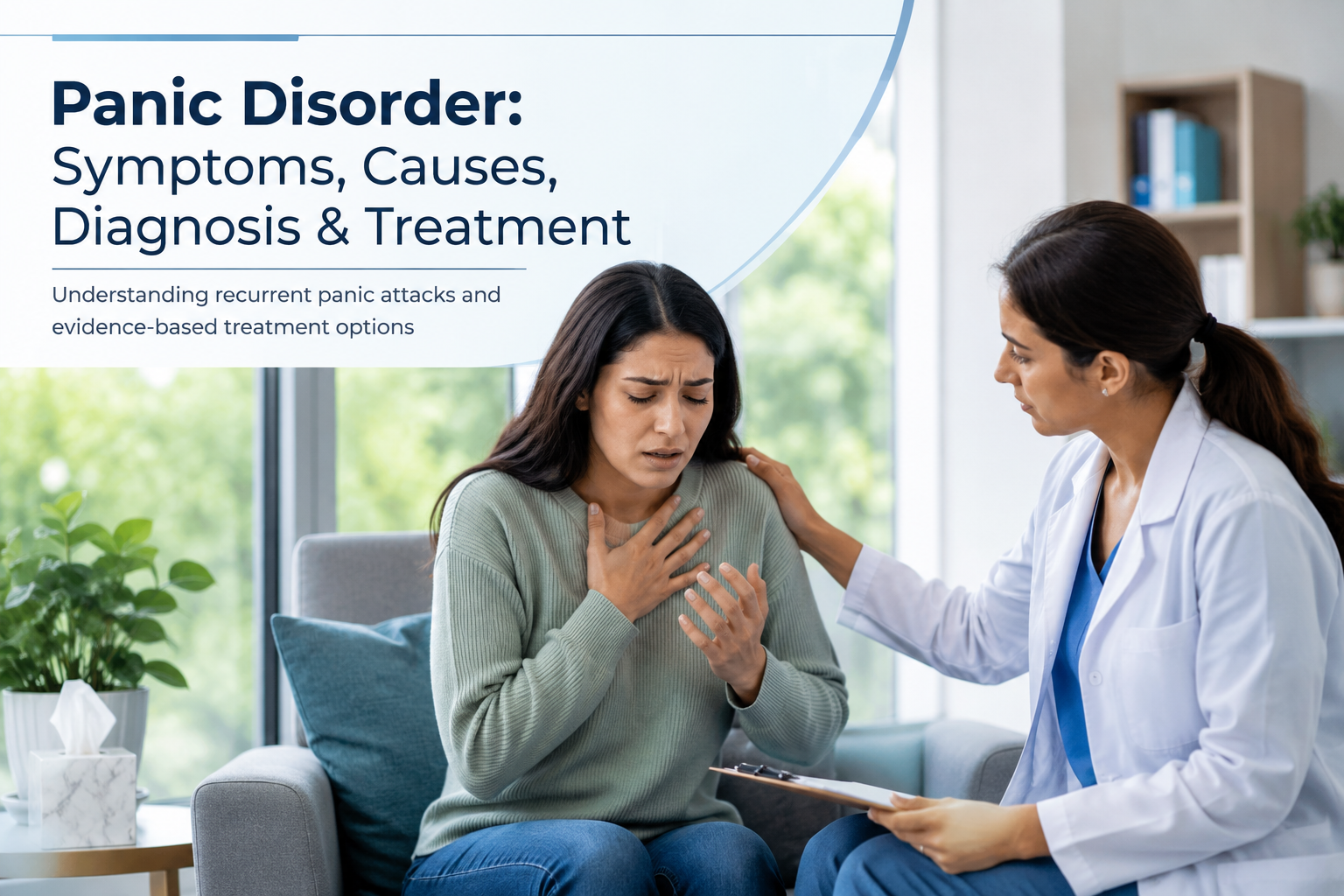
Panic disorder is a common anxiety disorder that causes repeated, unexpected panic attacks and persistent fear of experiencing another attack. These sudden episodes of intense fear can occur without warning, even when there is no real danger, making everyday activities difficult and reducing overall quality of life.
Unlike a single panic attack that may occur during a stressful situation, panic disorder involves recurring attacks followed by ongoing worry, avoidance of certain places or situations, and significant emotional distress. Fortunately, panic disorder is highly treatable. Early diagnosis, evidence-based therapy, healthy lifestyle changes, and appropriate medications can help most people regain control of their lives.
This comprehensive guide explains panic disorder, including its symptoms, causes, diagnosis, treatment options, prevention strategies, recovery outlook, and when professional medical care is recommended.
Quick Summary
- Panic disorder is an anxiety disorder involving recurrent, unexpected panic attacks.
- Panic attacks often cause rapid heartbeat, chest discomfort, dizziness, sweating, trembling, and shortness of breath.
- Many people develop persistent fear of future attacks and begin avoiding certain places or situations.
- Cognitive Behavioral Therapy (CBT) is considered one of the most effective first-line treatments.
- Some individuals may benefit from antidepressant medications prescribed by qualified healthcare professionals.
- Healthy lifestyle habits, stress management, and early treatment significantly improve long-term recovery.
Table of Contents
- What Is Panic Disorder?
- Panic Disorder vs Panic Attacks
- Symptoms of Panic Disorder
- Causes of Panic Disorder
- Risk Factors
- How Panic Disorder Is Diagnosed
- Treatment Options
- Lifestyle Changes and Self-Help Strategies
- Possible Complications
- Can Panic Disorder Be Prevented?
- When Should You See a Doctor?
- Recovery and Long-Term Outlook
- Conclusion
Key Takeaways
- Panic disorder is a chronic anxiety disorder characterized by recurring, unexpected panic attacks.
- Panic attacks usually develop suddenly and often peak within 10–20 minutes.
- Common symptoms include rapid heartbeat, chest discomfort, dizziness, trembling, sweating, shortness of breath, and intense fear.
- Many individuals begin avoiding places or situations where previous attacks occurred.
- Cognitive Behavioral Therapy (CBT) remains one of the most effective evidence-based treatments.
- Medications, stress management, regular exercise, healthy sleep, and lifestyle modifications can significantly improve recovery.
- Early diagnosis and treatment greatly reduce complications and improve long-term quality of life.
Medical Review
This article is intended for educational purposes and follows recommendations from internationally recognized healthcare organizations, including the World Health Organization (WHO), National Institute of Mental Health (NIMH), National Health Service (NHS), Mayo Clinic, and MedlinePlus. It does not replace professional medical advice, diagnosis, or treatment.
What Is Panic Disorder?
Panic disorder is a type of anxiety disorder in which a person experiences repeated, unexpected panic attacks along with persistent concern about having additional attacks. Many individuals also begin changing their daily routines or avoiding certain situations because they fear another panic attack may occur.
A panic attack is a sudden surge of overwhelming fear or discomfort that develops rapidly, even when no immediate danger exists. Although the symptoms can feel life-threatening, panic attacks themselves are not usually dangerous. However, recurring attacks without treatment can significantly affect work, education, relationships, and overall quality of life.
Panic disorder most commonly begins during late adolescence or early adulthood, although it can develop at any age. Women are diagnosed more frequently than men, but the condition affects people of every gender and background.
Panic Disorder vs Panic Attack
Many people use the terms panic attack and panic disorder interchangeably, but they describe different concepts. A panic attack is a sudden episode of intense fear, whereas panic disorder is a long-term anxiety disorder involving recurrent panic attacks and persistent worry about future episodes.
| Feature | Panic Attack | Panic Disorder |
|---|---|---|
| Definition | Sudden episode of intense fear | An anxiety disorder involving recurrent panic attacks |
| Frequency | May occur once or occasionally | Occurs repeatedly over time |
| Duration | Usually lasts 10–20 minutes | Long-term condition that may persist for months or years |
| Fear Between Episodes | Usually absent | Persistent fear of another panic attack |
| Avoidance Behavior | Generally not present | Common and may interfere with daily life |
| Treatment | May not require ongoing treatment | Often requires psychotherapy, lifestyle management, and sometimes medication |
Important Information
Experiencing one panic attack does not necessarily mean a person has panic disorder. Healthcare professionals diagnose panic disorder only when unexpected panic attacks occur repeatedly and are followed by ongoing fear, anxiety, or avoidance behaviors that persist for at least one month.
Symptoms of Panic Disorder
Panic disorder can affect both physical and emotional well-being. Symptoms often appear suddenly without warning and usually peak within several minutes. While the symptoms themselves are not usually life-threatening, they can feel overwhelming and may closely resemble a heart attack or other serious medical condition.
Common Symptoms of Panic Disorder
| Physical Symptoms | Psychological Symptoms |
|---|---|
| Rapid heartbeat or palpitations | Intense fear or panic |
| Chest pain or chest discomfort | Fear of losing control |
| Shortness of breath | Fear of dying |
| Sweating | Feeling detached from reality (derealization) |
| Trembling or shaking | Feeling detached from oneself (depersonalization) |
| Dizziness or lightheadedness | Persistent worry about future attacks |
| Nausea or stomach discomfort | Avoidance of situations linked to previous attacks |
| Tingling or numbness | Difficulty concentrating after an attack |
⚠️ Important Warning
Chest pain, difficulty breathing, dizziness, and fainting may also occur in serious medical emergencies such as heart disease. Anyone experiencing these symptoms for the first time or with severe intensity should seek immediate medical evaluation rather than assuming they are caused by panic disorder.
What Causes Panic Disorder?
Researchers believe panic disorder develops through a combination of biological, psychological, and environmental factors. There is rarely a single identifiable cause, and several factors may contribute to the development of the condition.
- Family history of panic disorder or anxiety disorders.
- Changes in brain chemistry and stress-response systems.
- Major life stress such as divorce, financial problems, or bereavement.
- Traumatic experiences during childhood or adulthood.
- Certain personality traits, including heightened sensitivity to stress.
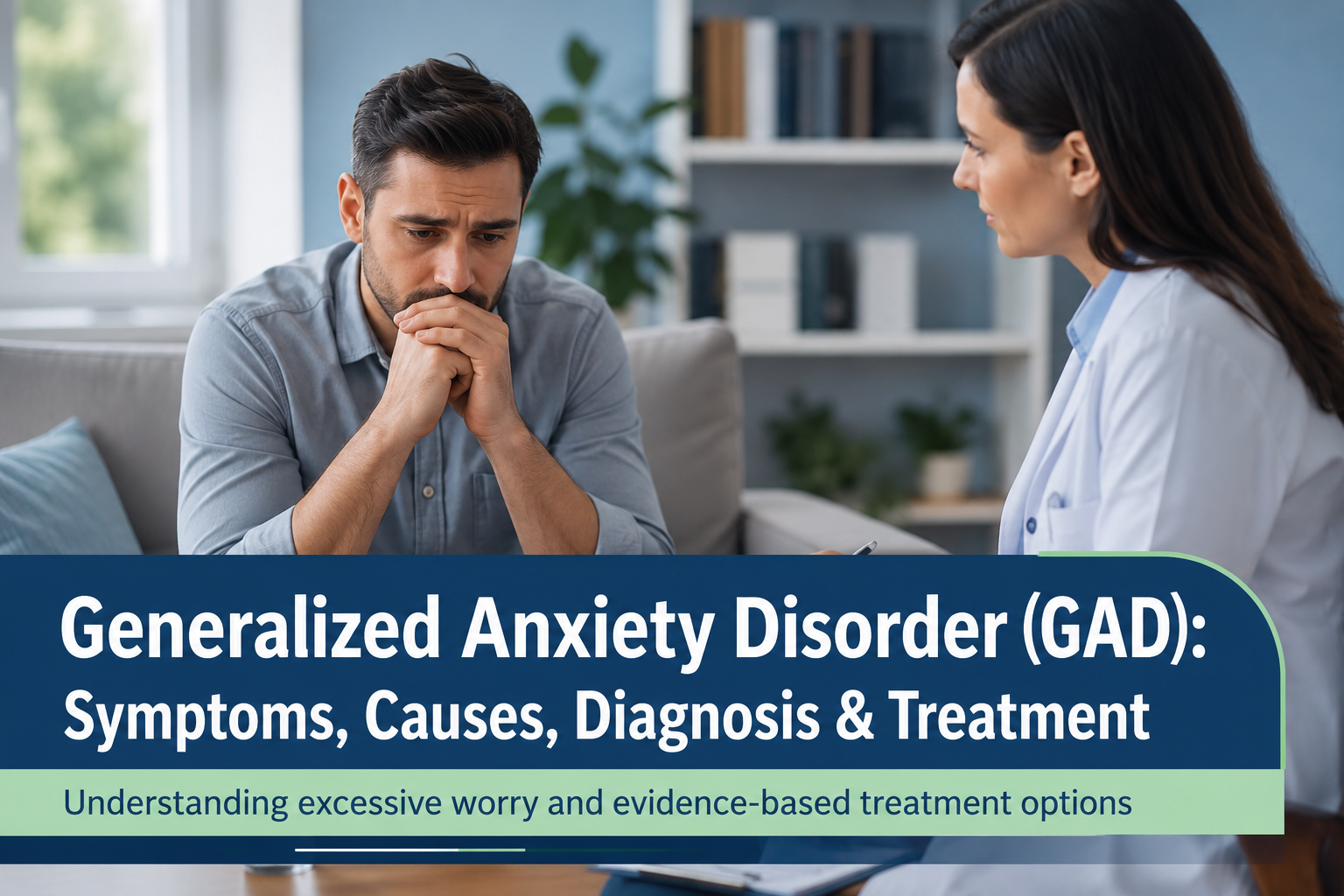
- Chronic anxiety that gradually progresses into recurrent panic attacks, particularly in individuals living with Generalized Anxiety Disorder (GAD).
Did You Know?
Panic disorder is not a sign of personal weakness or lack of willpower. It is a recognized medical condition that responds well to evidence-based treatment, particularly when diagnosed early.
Risk Factors
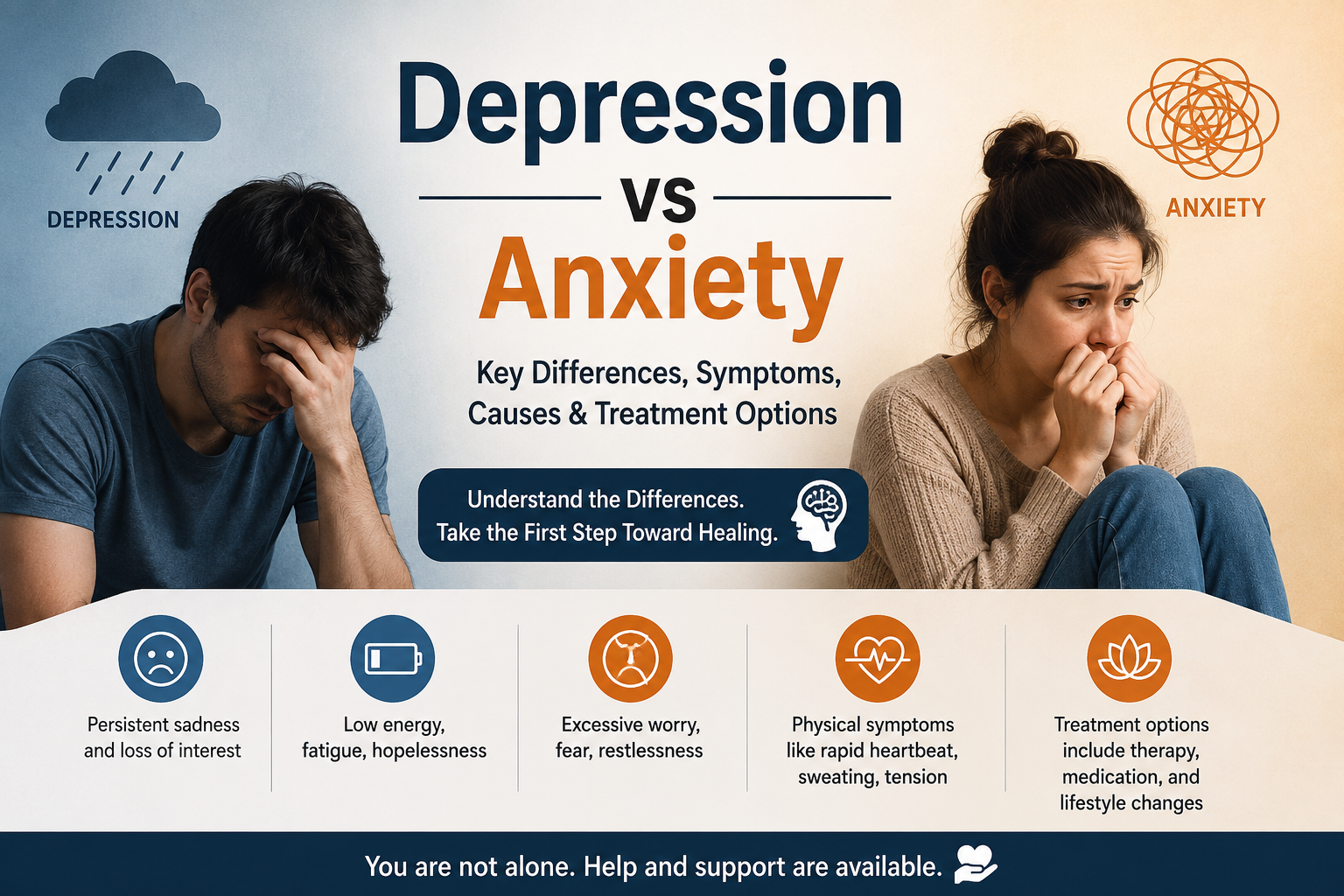
Several factors may increase a person's likelihood of developing panic disorder. Having one or more risk factors does not necessarily mean someone will develop the condition, but awareness can encourage earlier recognition and treatment. People living with depression or other anxiety disorders may have a higher likelihood of experiencing panic disorder.
| Risk Factor | How It May Increase Risk |
|---|---|
| Family history | Inherited tendency toward anxiety disorders |
| High stress levels | May trigger panic attacks in susceptible individuals |
| Previous trauma | Can alter emotional responses to stress |
| Existing anxiety disorders | Increase the likelihood of recurrent panic attacks |
| Depression | Often occurs alongside panic disorder |
| Substance misuse | May worsen anxiety symptoms and trigger attacks |
Expert Tip
Keeping a diary of panic attacks—including possible triggers, symptoms, duration, and recovery—can help healthcare professionals identify patterns and develop a personalized treatment plan.
How Is Panic Disorder Diagnosed?
Diagnosis begins with a detailed medical history and physical examination to rule out conditions that may cause similar symptoms, such as heart disease, thyroid disorders, respiratory conditions, or medication side effects.
A mental health professional may use standardized diagnostic criteria, discuss symptom frequency, evaluate avoidance behaviors, and determine whether the episodes meet the clinical definition of panic disorder.
Treatment Options
Most individuals with panic disorder improve significantly with appropriate treatment. A personalized treatment plan often combines psychotherapy, healthy lifestyle changes, and medication when clinically appropriate. For a broader overview of evidence-based therapies, medications, and recovery strategies, you may also find our guide on Depression Treatment Options helpful.
Evidence-Based Treatments
- Cognitive Behavioral Therapy (CBT)
- Exposure-based therapy when appropriate
- Selective Serotonin Reuptake Inhibitors (SSRIs) prescribed by healthcare professionals
- Stress management techniques
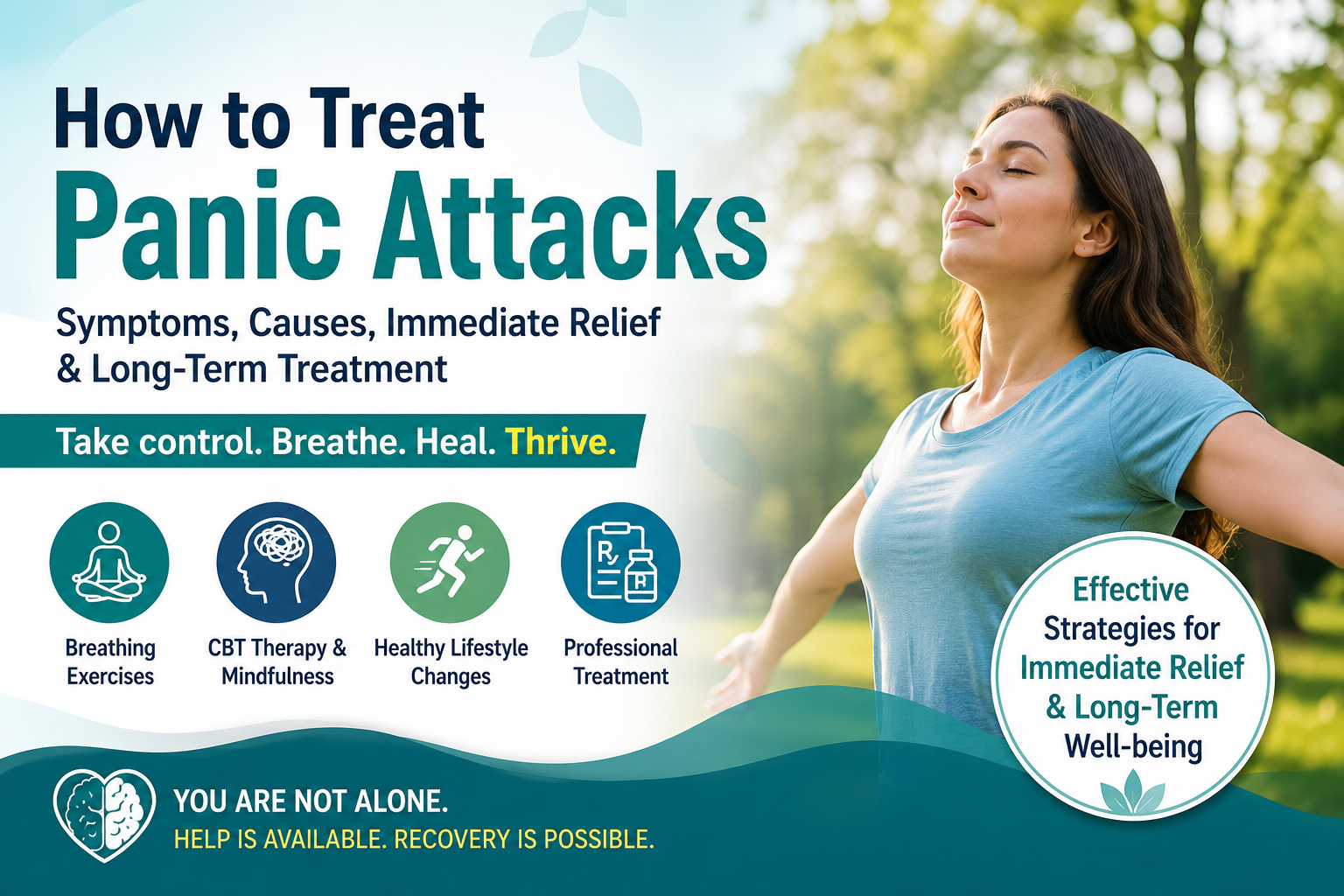
- Breathing and relaxation exercises
- Regular physical activity and healthy sleep habits
Lifestyle Changes and Self-Help Strategies
Professional treatment is often the most effective way to manage panic disorder, but healthy daily habits can also reduce symptom severity, improve emotional well-being, and lower the risk of future panic attacks.
- Practice slow, controlled breathing during moments of anxiety.
- Exercise regularly to reduce stress and improve mood.
- Maintain a consistent sleep schedule.
- Limit caffeine, nicotine, and excessive alcohol consumption, as they may worsen anxiety symptoms.
- Follow a balanced diet and stay well hydrated.
- Practice mindfulness meditation, progressive muscle relaxation, or yoga.
- Stay socially connected with trusted family members and friends.
- Follow your treatment plan and attend scheduled therapy sessions.
Healthy Habit Tip
Small lifestyle improvements made consistently over time often provide greater long-term benefits than trying multiple major changes at once. Establishing healthy routines can strengthen resilience and support recovery alongside professional treatment.
Possible Complications
Without treatment, panic disorder may gradually interfere with many aspects of daily life. Some people begin avoiding public places, traveling, driving, or social activities because they fear another panic attack may occur.
Potential complications include:
- Reduced quality of life.
- Depression or worsening anxiety.
- Social isolation.
- Difficulty maintaining employment or education.
- Avoidance behaviors that limit independence.
- Increased healthcare visits due to repeated physical symptoms.
Can Panic Disorder Be Prevented?
Although panic disorder cannot always be prevented, early recognition and timely intervention can reduce symptom severity and decrease the likelihood of long-term complications.
| Helpful Prevention Strategy | Potential Benefit |
|---|---|
| Seek treatment early | Reduces progression of symptoms |
| Manage daily stress | Lowers anxiety levels |
| Maintain healthy sleep habits | Improves emotional regulation |
| Exercise regularly | Supports mental and physical health |
| Avoid excessive stimulants | May reduce panic attack triggers |
| Follow therapy recommendations | Improves long-term recovery |
When Should You See a Doctor?
Seek Medical Evaluation If:
- You experience repeated panic attacks.
- Symptoms interfere with work, education, relationships, or daily activities.
- You begin avoiding places or situations because of fear of another attack.
- You develop persistent anxiety between panic attacks.
- You are uncertain whether symptoms may be related to a heart, lung, or other medical condition.
Recovery and Long-Term Outlook
The outlook for panic disorder is generally very positive when appropriate treatment begins early. Many individuals experience substantial improvement through Cognitive Behavioral Therapy (CBT), lifestyle modifications, and medication when indicated by a healthcare professional.
Recovery is often gradual rather than immediate. Some people notice improvement within weeks, while others require several months of consistent treatment. Continuing therapy, practicing healthy coping strategies, and maintaining follow-up care help reduce the likelihood of future relapses.
Recovery Outlook
Most individuals with panic disorder can successfully manage their symptoms, return to normal daily activities, and enjoy an excellent quality of life with appropriate treatment and ongoing self-care.
Conclusion
Panic disorder is a treatable anxiety disorder that should never be ignored. Although panic attacks can feel frightening, they are manageable with accurate diagnosis, evidence-based treatment, healthy lifestyle habits, and ongoing support. Seeking professional medical advice early allows individuals to reduce symptoms, regain confidence, and improve their overall quality of life.
Sources & References
- World Health Organization (WHO) – Mental Disorders
- National Institute of Mental Health (NIMH) – Panic Disorder
- National Institute of Mental Health (NIMH) – Anxiety Disorders
- NHS – Panic Disorder
- Mayo Clinic – Panic Attacks and Panic Disorder
- MedlinePlus – Panic Disorder
- American Psychiatric Association – Anxiety Disorders
Related Health Resources
Explore more trusted health resources related to this topic. These articles can help you better understand symptoms, causes, treatment options and prevention strategies.