Panic Attack vs Panic Disorder: What's the Difference?
Panic attacks and panic disorder are closely related, but they are not the same thing. A panic attack is a sudden episode of intense fear or discomfort, while panic disorder is a mental health condition involving recurrent, unexpected panic attacks along with ongoing concern or behavioral changes related to future attacks.
Understanding the difference can make it easier to recognize symptoms, understand when professional evaluation may be appropriate, and learn about evidence-based treatment options.
In This Guide
- Panic attack vs panic disorder
- Common symptoms
- Causes and risk factors
- How panic disorder is diagnosed
- Treatment options
- When to seek professional help
Medical Review
This educational article explains the distinction between panic attacks and panic disorder using information from established medical and public-health sources.
Symptoms of panic can overlap with other physical or mental health conditions. A qualified healthcare professional should evaluate persistent, severe, new, or concerning symptoms.
Key Takeaways
- A panic attack is an episode of sudden, intense fear or discomfort that can involve both emotional and physical symptoms.
- Experiencing a panic attack does not automatically mean that a person has panic disorder.
- Panic disorder involves recurrent and unexpected panic attacks together with persistent concern about additional attacks or changes in behavior related to them.
- Panic attacks can occur with several different conditions and can sometimes occur without panic disorder.
- Psychotherapy, particularly cognitive behavioral therapy (CBT), is an established treatment approach for panic disorder.
- A healthcare professional can help determine whether symptoms are related to panic disorder or another medical or mental health condition.
Table of Contents
What Is a Panic Attack?
A panic attack is a sudden period of intense fear, anxiety, or discomfort that can happen unexpectedly or in response to a particular situation. During an attack, a person may experience a combination of emotional and physical symptoms.
The experience can feel extremely intense. Some people may feel as though they are losing control, becoming seriously ill, or facing an immediate threat even when there is no obvious danger.
Common physical symptoms can include a racing or pounding heartbeat, sweating, trembling, dizziness, shortness of breath, chest discomfort, nausea, chills, or tingling sensations.
Importantly, having one panic attack does not by itself establish a diagnosis of panic disorder. Panic attacks can occur in people who do not have panic disorder and can also occur alongside other anxiety or mental health conditions.
Important Point
Panic symptoms can resemble symptoms of some physical illnesses. New, severe, unusual, or concerning symptoms should not automatically be assumed to be a panic attack. A healthcare professional can help determine the appropriate evaluation.
What Is Panic Disorder?
Panic disorder is an anxiety disorder characterized by recurrent and unexpected panic attacks together with ongoing concern about having additional attacks or changes in behavior related to the attacks.
According to the National Institute of Mental Health, diagnosis generally involves recurrent unexpected panic attacks followed by at least one month of persistent concern about additional attacks, concern about what the attacks may mean, or significant behavior changes intended to avoid future attacks.
This distinction is important because panic disorder is more than simply experiencing intense fear on one occasion. The repeated attacks and the continuing impact they have on a person's thoughts, behavior, or daily life are important parts of the condition.
Remember
Not everyone who experiences a panic attack develops panic disorder. A healthcare professional considers the overall pattern of symptoms, their frequency, their unexpected nature, their impact, and other possible explanations.
Panic Attack vs Panic Disorder: Key Differences
The simplest way to understand the distinction is to think of a panic attack as an episode and panic disorder as a condition.
| Feature | Panic Attack | Panic Disorder |
|---|---|---|
| What is it? | A sudden episode of intense fear or discomfort. | An anxiety disorder involving recurrent and unexpected panic attacks and related ongoing concern or behavioral changes. |
| Can it happen once? | Yes. A person may experience an isolated panic attack. | Panic disorder involves a recurring pattern rather than a single isolated episode. |
| Are attacks always unexpected? | Not necessarily. Some attacks can occur in response to particular situations. | Unexpected panic attacks are a central part of the diagnostic picture. |
| Ongoing worry | May or may not occur after an attack. | Persistent concern about future attacks or their consequences can be part of the condition. |
| Behavior changes | Not necessarily present. | Avoidance or other significant behavioral changes may occur because of fear of future attacks. |
| Diagnosis | A single panic attack is not itself a diagnosis of panic disorder. | Diagnosis requires professional assessment of the overall symptom pattern and relevant criteria. |
Understanding this distinction can prevent a common misunderstanding: experiencing a panic attack does not automatically mean that someone has panic disorder.
Symptoms of Panic Attacks
Panic attacks can involve a combination of physical, emotional, and cognitive symptoms. They often develop suddenly and can feel overwhelming, even when the person is not facing an immediate physical threat.
Symptoms can vary from person to person. Some people experience mainly physical sensations, while others experience intense fear, a feeling of losing control, or concern that something serious is happening.
Physical Symptoms
- Rapid or pounding heartbeat
- Sweating
- Trembling or shaking
- Shortness of breath or a feeling of being unable to breathe normally
- Chest discomfort
- Dizziness or lightheadedness
- Nausea or stomach discomfort
- Chills, hot sensations, or tingling
Emotional and Cognitive Symptoms
- Sudden intense fear
- Feeling out of control
- Fear of something terrible happening
- Feeling detached or unreal
- Fear of losing control
- Strong concern about the meaning of physical symptoms
When Physical Symptoms Need Attention
Symptoms such as chest discomfort, breathing difficulty, fainting, or severe dizziness can have causes other than anxiety or panic. Particularly when symptoms are new, severe, or different from previous experiences, professional medical assessment may be appropriate.
Signs of Panic Disorder
Panic disorder involves more than experiencing occasional panic symptoms. A healthcare professional looks at the broader pattern of unexpected panic attacks and what happens afterward.
One important feature is persistent concern about having another panic attack or about what a future attack might mean. A person may become increasingly focused on preventing another episode.
Some people also begin changing their routines because they are worried about another attack. They may avoid particular places, situations, activities, or circumstances that they associate with previous episodes.
Common Patterns Associated With Panic Disorder
- Recurrent unexpected panic attacks
- Ongoing worry about additional panic attacks
- Concern about the possible consequences of another attack
- Significant changes in behavior related to the attacks
- Avoidance of situations because of fear of another attack
These patterns can interfere with school, work, relationships, travel, social activities, or everyday responsibilities. The degree of disruption can vary significantly between individuals.
Causes and Risk Factors
There is no single cause that explains every case of panic attacks or panic disorder. Researchers believe that biological, psychological, and environmental factors can all contribute to vulnerability.
A person's genetics, brain chemistry, response to stress, previous experiences, and other health conditions may influence the likelihood of experiencing panic symptoms.
Biological and Genetic Factors
Some people may have a greater susceptibility to anxiety-related conditions because of genetic or biological factors. A family history of anxiety disorders may be relevant when a healthcare professional evaluates symptoms.
Stress and Life Experiences
Significant stress, difficult life circumstances, or major changes can contribute to anxiety symptoms in some people. Stress does not mean that panic disorder is a person's fault.
Other Health Conditions
Certain physical or mental health conditions can produce symptoms that resemble panic. This is one reason a professional assessment can be important when symptoms are new or persistent.
Substances and Medications
Caffeine, some medications, and certain substances can affect heart rate, alertness, or anxiety sensations. A healthcare professional can help determine whether a medication or substance may be contributing to symptoms.
Expert Tip
Avoid assuming that one factor is responsible for panic symptoms. A professional evaluation considers the person's symptoms, history, health conditions, medications, and overall circumstances.
How Is Panic Disorder Diagnosed?
Panic disorder is diagnosed through a professional clinical assessment. There is no single blood test or imaging scan that independently confirms the condition.
During an evaluation, a healthcare professional may ask about the nature of the attacks, when they occur, how frequently they happen, whether they are expected or unexpected, and how the person feels or behaves between episodes.
The clinician may also ask about medical history, medications, substance use, family history, stress, sleep, and other mental health symptoms.
What a Professional Assessment May Consider
| Area | What May Be Explored |
|---|---|
| Attack pattern | How often attacks occur and whether they are unexpected. |
| Symptoms | Physical, emotional, and cognitive symptoms experienced during episodes. |
| After the attack | Ongoing worry, fear of another attack, or changes in behavior. |
| Daily functioning | Whether symptoms interfere with school, work, relationships, travel, or everyday activities. |
| Other causes | Whether another physical or mental health condition could explain the symptoms. |
| Medical history | Existing conditions, medications, family history, and relevant lifestyle factors. |
Because several medical conditions can cause symptoms that resemble panic, clinicians may decide that additional medical evaluation is appropriate depending on the person's history and symptoms.
Treatment Options for Panic Disorder
Panic disorder can be treated. Treatment is individualized according to the person's symptoms, preferences, health history, and response to treatment.
Common evidence-based approaches include psychotherapy, medication, or a combination of approaches. A healthcare professional can discuss the potential benefits, risks, and alternatives.
1. Cognitive Behavioral Therapy
Cognitive behavioral therapy, commonly called CBT, is a well-established psychological treatment for panic disorder. It can help people understand the relationship between thoughts, physical sensations, emotions, and behaviors.
CBT may also help a person gradually change patterns of fear and avoidance that maintain anxiety. Treatment is structured and is generally provided by a trained mental health professional.
2. Medications
Depending on the individual situation, healthcare professionals may consider medications as part of treatment for panic disorder.
Certain antidepressant medications are commonly used for anxiety disorders. Medication selection depends on factors such as symptoms, other medical conditions, current medications, potential side effects, and individual treatment goals.
Medication Safety
Prescription anxiety or antidepressant medication should be used only according to a qualified healthcare professional's instructions. Do not start, stop, change, or combine prescription medicines without professional guidance.
3. Combined Treatment
Some people may benefit from both psychotherapy and medication. The appropriate approach depends on the severity and pattern of symptoms and the person's circumstances.
4. Supportive Lifestyle Measures
Healthy daily habits can support overall mental wellbeing and may complement professional treatment. These measures should not be considered a substitute for appropriate medical or psychological care when panic symptoms are persistent or significantly disruptive.
- Maintaining a regular sleep routine
- Staying physically active in an appropriate way
- Eating regular, balanced meals
- Managing sources of ongoing stress where possible
- Limiting excessive caffeine if it worsens anxiety symptoms
- Staying connected with supportive people
Panic Attack vs Panic Disorder: A Practical Way to Understand the Difference
The difference becomes easier to understand when the symptoms are viewed over time. A panic attack describes what happens during an episode, while panic disorder describes a recurring pattern that can affect a person's thoughts, behavior, and daily life.
For example, someone might experience a sudden panic attack during a period of significant stress and never experience another one. That experience alone does not necessarily mean the person has panic disorder.
In contrast, a person with panic disorder may experience repeated unexpected attacks and then become persistently worried about having another attack. They may also change their normal activities because they are concerned about experiencing symptoms again.
| Question | Panic Attack | Panic Disorder |
|---|---|---|
| Is it an episode or condition? | An episode of intense fear or discomfort. | A mental health condition involving a recurring pattern of unexpected panic attacks and related concerns or behavioral changes. |
| Can it happen without panic disorder? | Yes. | Panic attacks are a central feature of the disorder. |
| Does one episode establish the diagnosis? | No. | Diagnosis requires professional assessment of the overall pattern. |
| Can avoidance develop? | It may happen after an attack, but it is not required. | Significant behavior changes or avoidance related to fear of future attacks may occur. |
Panic Disorder and Other Anxiety Conditions
Panic disorder is one of several conditions that can involve anxiety or panic-like symptoms. Because different conditions can overlap, it is important not to diagnose yourself based on a single symptom.
Generalized anxiety disorder, social anxiety disorder, specific phobias, post-traumatic stress disorder, and other conditions can involve significant anxiety. Panic attacks can also occur in association with some of these conditions.
The pattern, triggers, duration, associated symptoms, and impact on daily life can help a healthcare professional determine which explanation best fits the person's situation.
Related Reading
If you want to understand how panic symptoms differ from other anxiety symptoms, read our guide on How to Treat Panic Attacks Depression vs Anxiety.
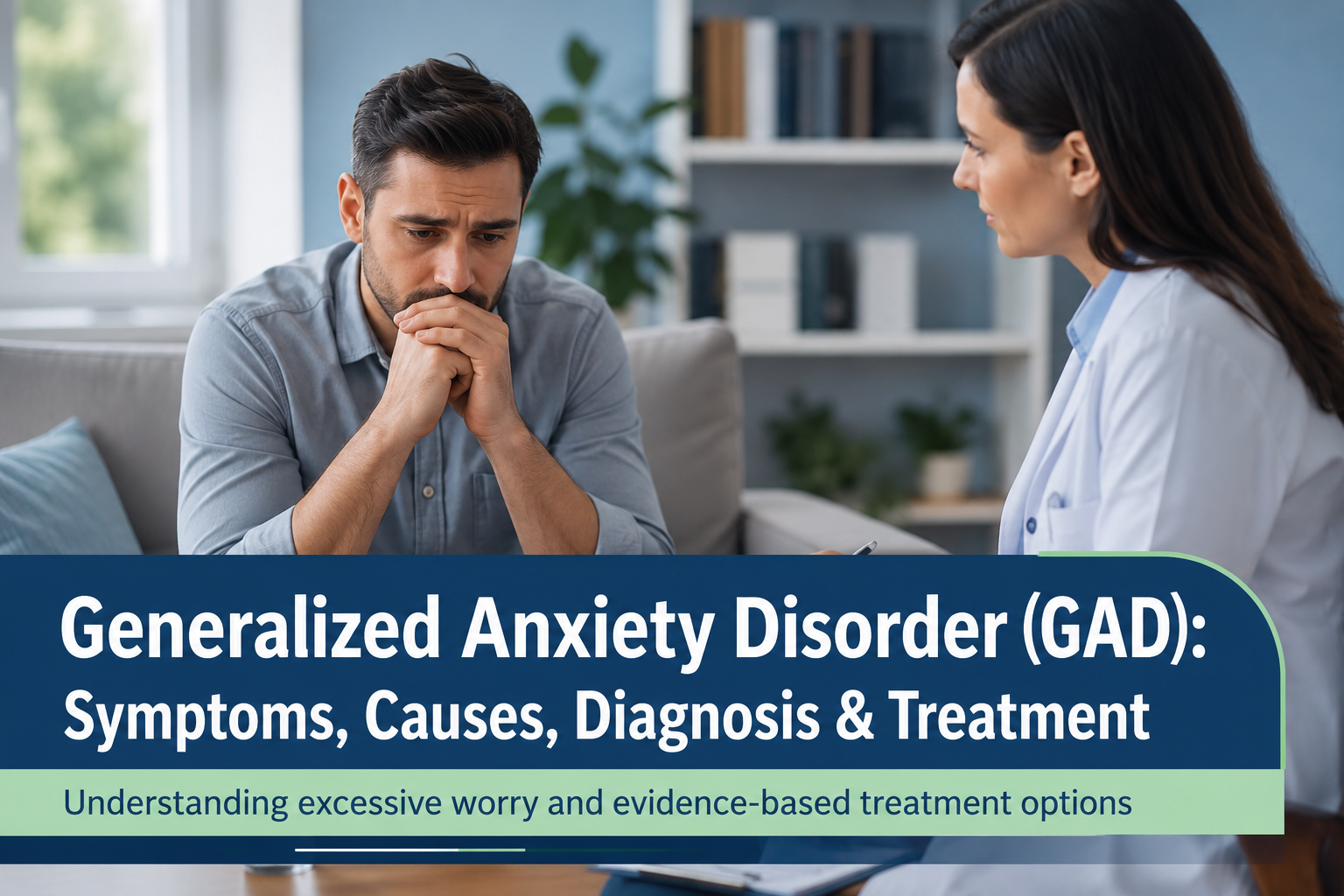
You can also learn more about Generalized Anxiety Disorder (GAD) and its symptoms, causes, diagnosis, and treatment.
What to Do If You Keep Having Panic Attacks
Repeated panic attacks can become distressing, especially when a person begins worrying about when the next episode might occur. If panic symptoms are recurring or interfering with normal activities, discussing them with a healthcare professional is an important step.
Keep Track of Your Symptoms
Writing down when symptoms occur, what was happening beforehand, how long they lasted, and how they affected daily activities can provide useful information during a professional assessment.
Discuss Symptoms With a Healthcare Professional
A doctor or qualified mental health professional can assess whether symptoms may be related to panic disorder, another anxiety condition, a medication, or another health issue.
Avoid Self-Diagnosis
Searching for symptoms online can provide useful educational information, but it cannot replace a professional evaluation. Similar physical sensations can have different causes, and treatment depends on the underlying problem.
Expert Tip
If panic symptoms are affecting your daily routine, school, work, relationships, travel, or other activities, mention these effects when speaking with a healthcare professional. Functional impact can be an important part of the overall assessment.
When Should You Seek Professional Help?
Professional support may be appropriate when panic symptoms happen repeatedly, become difficult to manage, or begin affecting everyday life.
Consider Making an Appointment If:
- Panic attacks are recurring.
- You are frequently worried about another attack.
- You are avoiding activities because of fear of panic symptoms.
- Anxiety is interfering with everyday responsibilities.
- You are unsure whether your symptoms are caused by anxiety or another condition.
Seek Urgent Medical Attention When:
Symptoms are severe, new, unusual, or potentially indicate a medical emergency.
Do not assume that severe chest symptoms, significant breathing difficulty, fainting, or other concerning physical symptoms are caused by panic without appropriate medical evaluation.
Long-Term Outlook and Recovery
Panic disorder can be managed, and many people benefit from appropriate professional treatment. The course of symptoms varies between individuals, so treatment may need to be adjusted over time.
Psychotherapy can help people understand panic symptoms and change patterns of fear and avoidance. Medication may also be considered when clinically appropriate.
Recovery does not necessarily mean that a person will never experience anxiety again. Instead, effective treatment can help reduce the frequency or severity of symptoms and improve confidence in managing them.
A Hopeful Perspective
Experiencing panic symptoms does not mean that a person has to live with uncontrolled panic permanently. Professional assessment and evidence-based treatment can provide a path toward better symptom management and improved daily functioning.
Expert Tips for Managing Panic-Related Concerns
| Tip | Why It May Help |
|---|---|
| Learn about panic symptoms | Understanding symptoms can reduce uncertainty and help you communicate more clearly with a healthcare professional. |
| Follow your treatment plan | Consistent participation in recommended treatment can support progress over time. |
| Notice avoidance patterns | Avoidance can sometimes maintain anxiety, so discussing it with a qualified professional may be useful. |
| Maintain healthy routines | Regular sleep, appropriate physical activity, balanced nutrition, and stress management can support overall wellbeing. |
| Ask for support | Trusted family members, friends, doctors, and mental health professionals can provide different forms of support. |
Common Misunderstandings About Panic Attacks and Panic Disorder
Conclusion
Panic attacks and panic disorder are closely connected, but they describe different things. A panic attack is an episode of intense fear or discomfort that can include powerful physical and emotional symptoms. Panic disorder is a diagnosable anxiety condition involving recurrent unexpected panic attacks together with persistent concern about additional attacks or meaningful behavioral changes related to them.
Not everyone who experiences a panic attack develops panic disorder. However, repeated or unexpected attacks can become disruptive, particularly when fear of future attacks begins affecting everyday activities.
Professional assessment can help distinguish panic disorder from other anxiety conditions and from physical health problems that may produce similar symptoms. Evidence-based treatments such as cognitive behavioral therapy and appropriate medications can help many people manage panic disorder.
If panic symptoms are recurring, interfering with daily life, or causing significant concern, consider speaking with a qualified healthcare professional for an individualized evaluation and treatment plan.
Medical Disclaimer
This article is provided for general educational purposes and is not a substitute for professional medical or mental health advice, diagnosis, or treatment. Panic symptoms can overlap with other medical conditions. Do not use this information to self-diagnose or change prescribed treatment. If you have new, severe, unusual, or concerning symptoms, seek appropriate medical evaluation.
Sources & References
The information in this article is based on established medical and public-health resources. These sources can provide additional information about panic attacks, panic disorder, symptoms, diagnosis, and treatment.
Related Health Resources
Explore more trusted health resources related to this topic. These articles can help you better understand symptoms, causes, treatment options and prevention strategies.